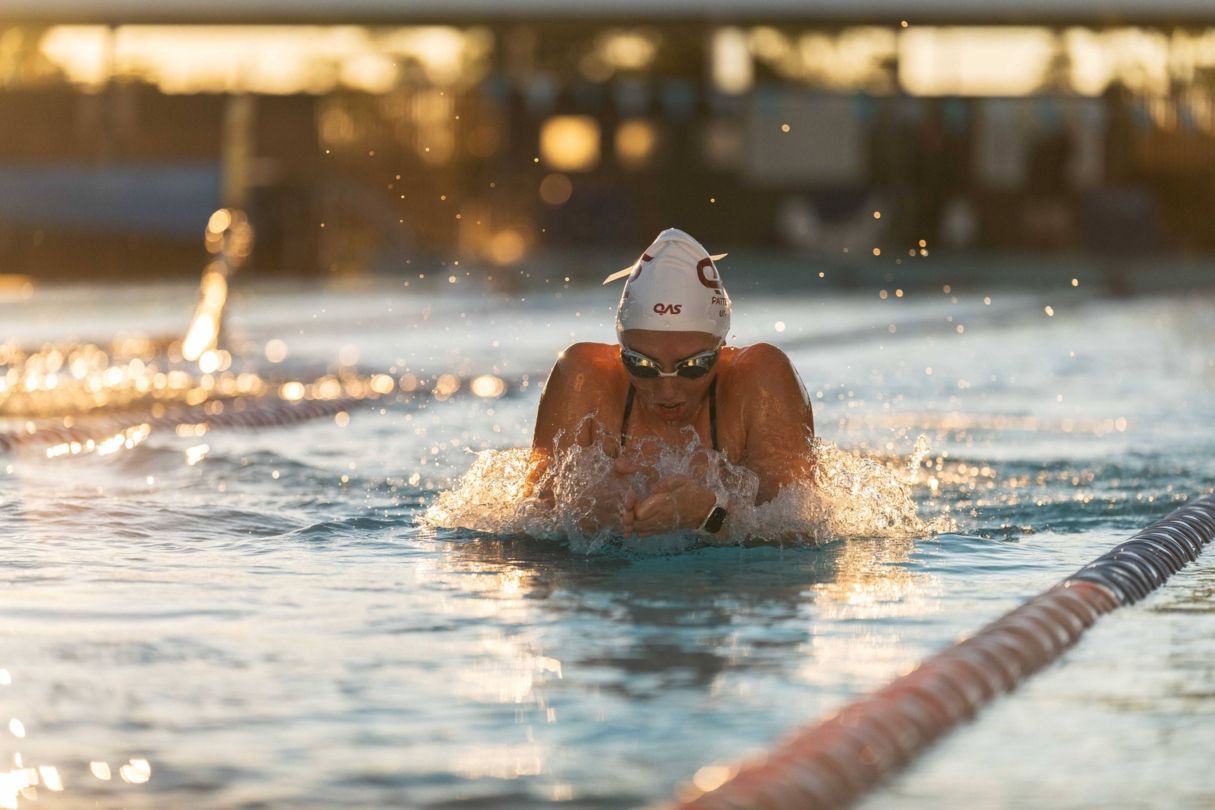
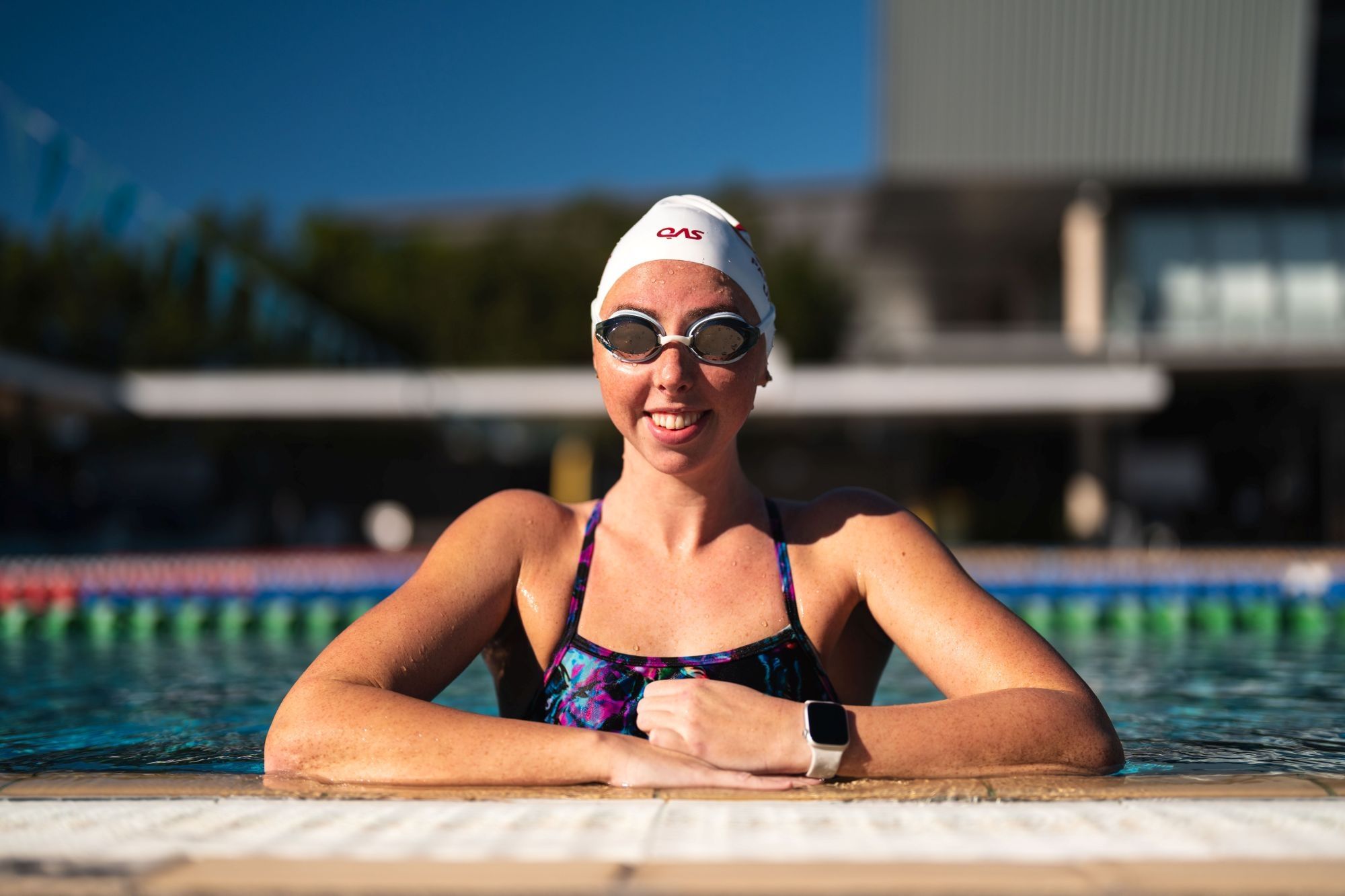
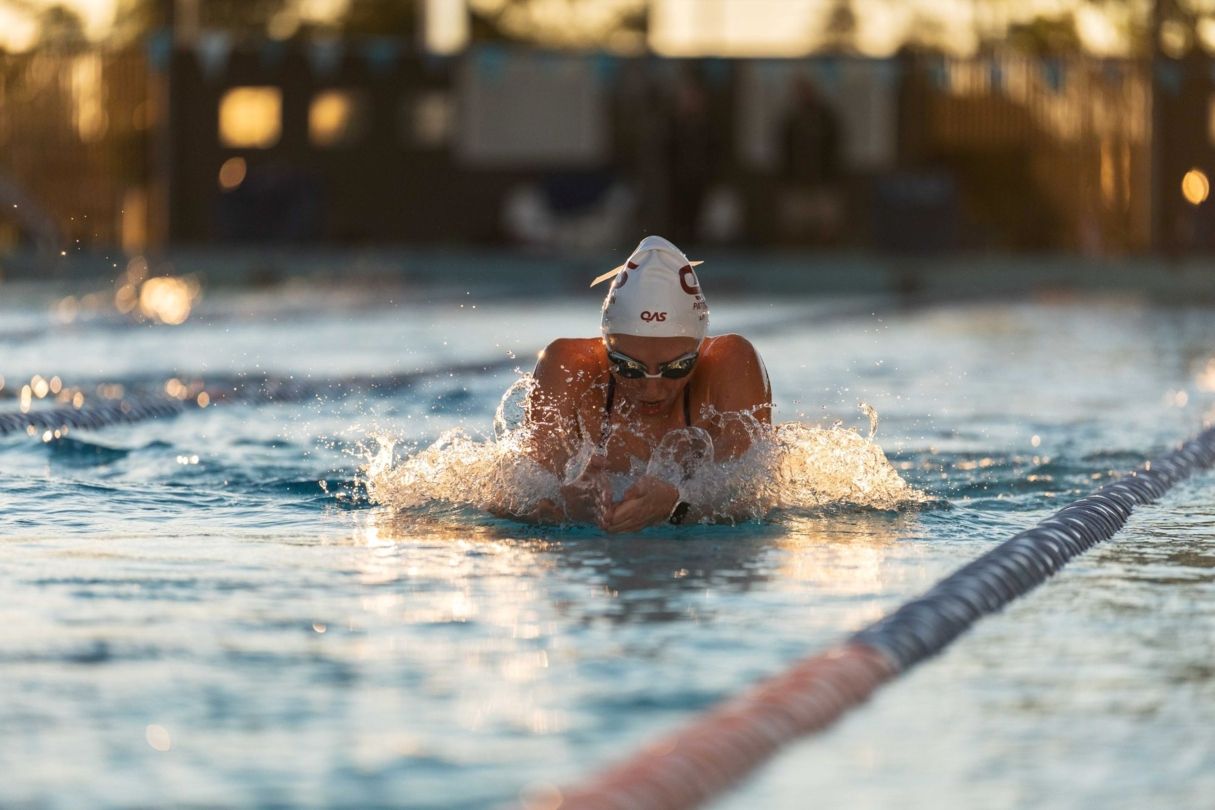
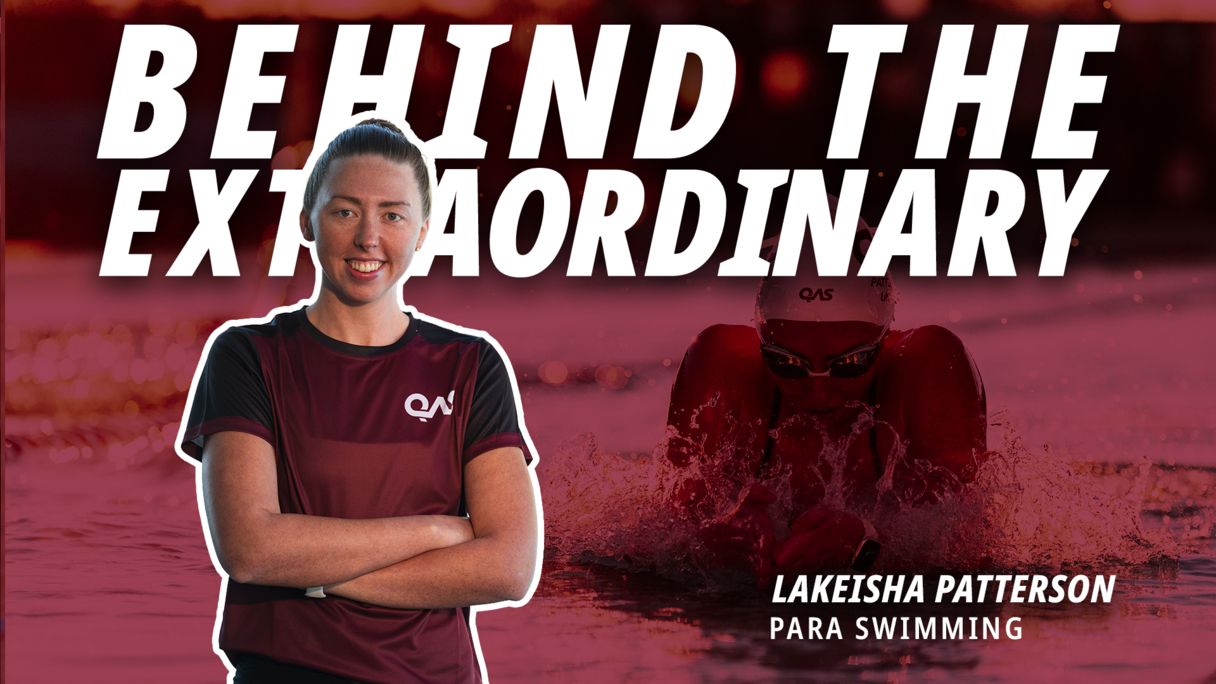
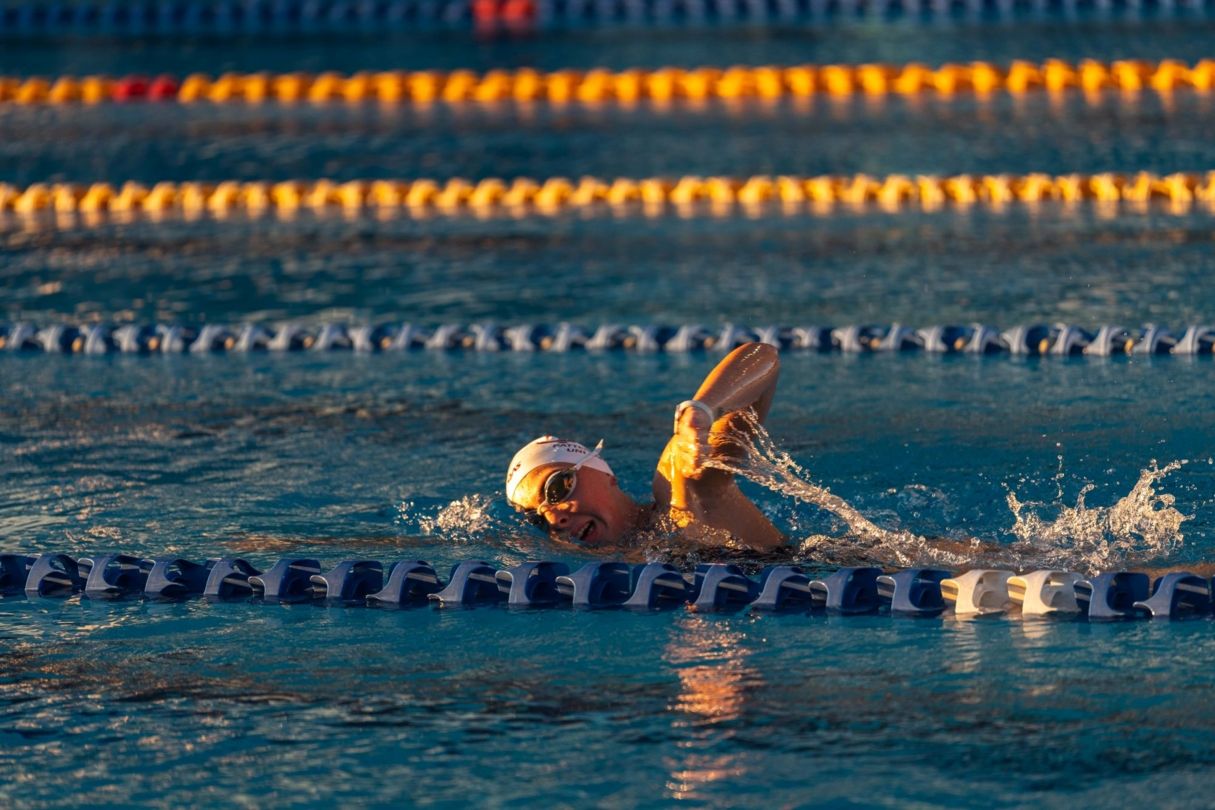
Paralympic swimmer Lakeisha (Lucky) Patterson can’t remember a year in her life without challenges, but the last two years have tested her more than ever.
Constant headaches, chronic pain and multiple seizures almost forced Lucky into retirement. Instead, her determination and the unwavering support of those around her helped keep her in the sport she loves.
Lucky lives with cerebral palsy left hemiplegia, epilepsy, micrographia and chronic migraines.
Reflecting on her swimming journey, she says challenges have always been part of her life, but nothing compared to the lead-up to the Paris 2024 Paralympic Games and the year that followed.
Lucky lives with cerebral palsy left hemiplegia, epilepsy, micrographia and chronic migraines.
Reflecting on her swimming journey, she says challenges have always been part of her life, but nothing compared to the lead-up to the Paris 2024 Paralympic Games and the year that followed.
“Particularly in the lead up to the Paris Paralympics [in 2024] up until last year was quite a difficult season for me,” she said.
“I was going through a lot of migraines and headaches, so I was in constant pain alongside my body pain, and we couldn’t really figure out why.
“Leading into 2025 I had 17 seizures, and another one here at training and that was leading into trials for World Championships. It got to the point where it was becoming unsafe to train and everyone was really worried about me.
“I was also really worried for myself.”
Despite everything, walking away was never the option Lucky wanted.
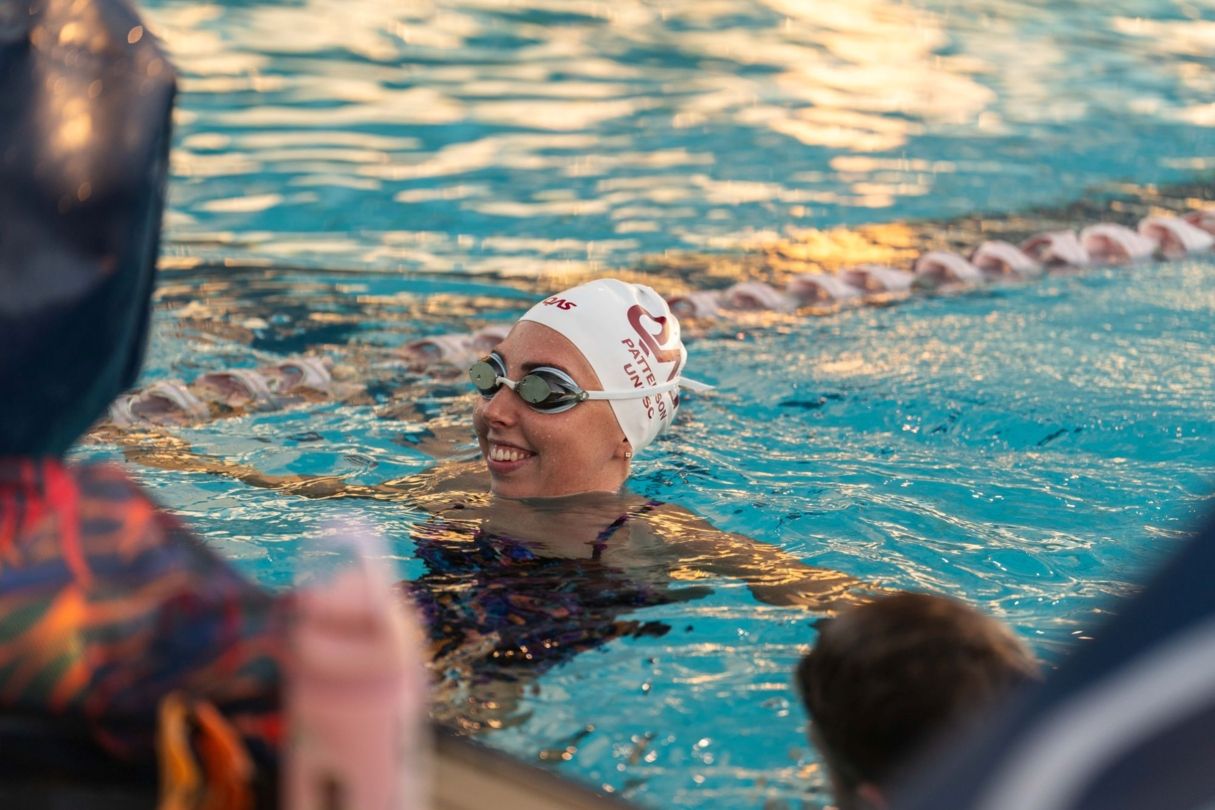
Swimming remained the place where she feels most at home.
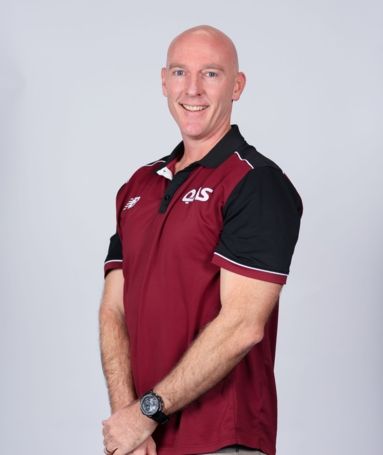
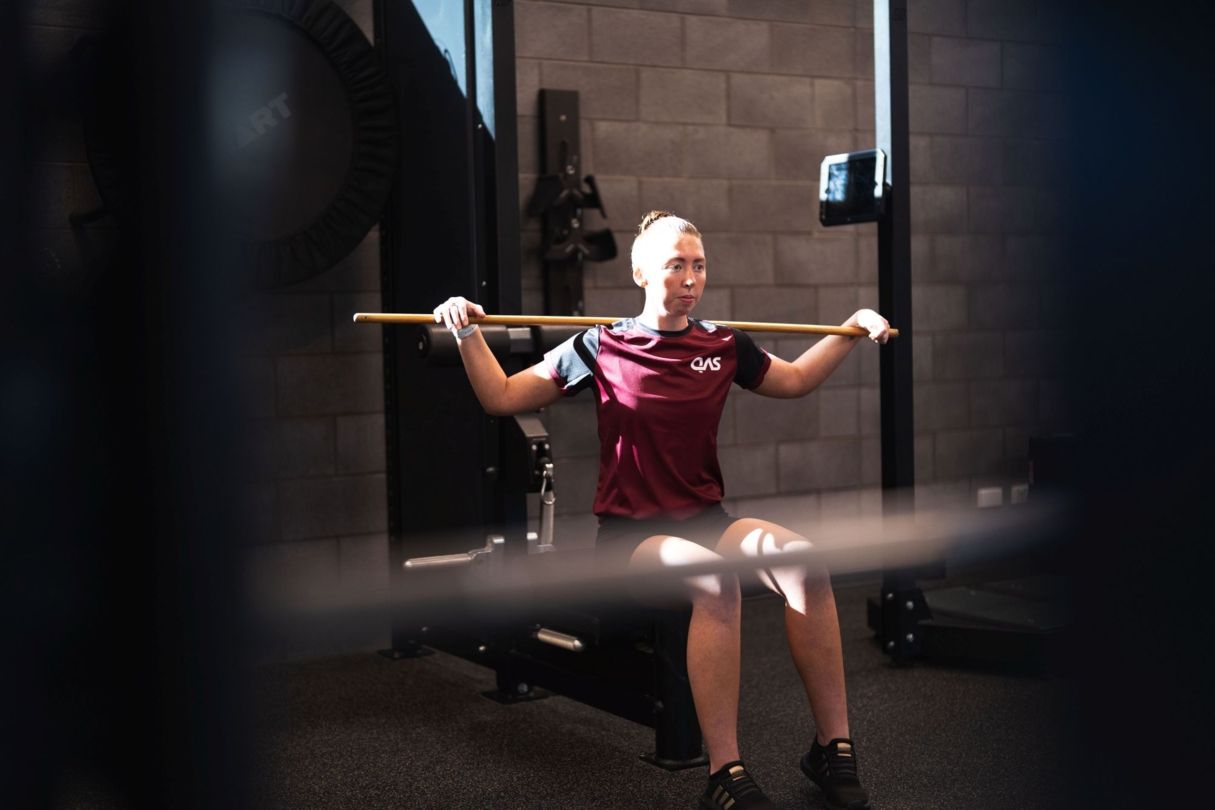
Behind the scenes, QAS Physiotherapist Dean Sullivan worked alongside Lucky’s coach and the wider QAS performance support team to carefully rebuild her training, balancing performance with her health.

“It started with managing training times throughout the week to help control her fatigue levels, and then building gym into that, working with the physiologists to build some swimming load into that as well,” Dean said.
“It would’ve been easy for Lucky to walk away at any stage and focus on her health. She’s done such a good job sticking to the plan and trusting in the support group.”
Lucky’s coach, Harley Connoly has guided her since 2016 and says the past two years have been unlike anything they’ve experienced together.
“Working together for so long and having that trust in each other has really helped create that bond and knowing we trust each other and trust the process,” Harley said.
Countless hours went into adjusting and rebuilding Lucky’s training program before she was ready to return to racing at the World Championships.
Standing behind the blocks, her perspective had changed.
“I remember getting behind the blocks, and regardless of what was going to happen I was going to be proud of myself,” Lucky said.
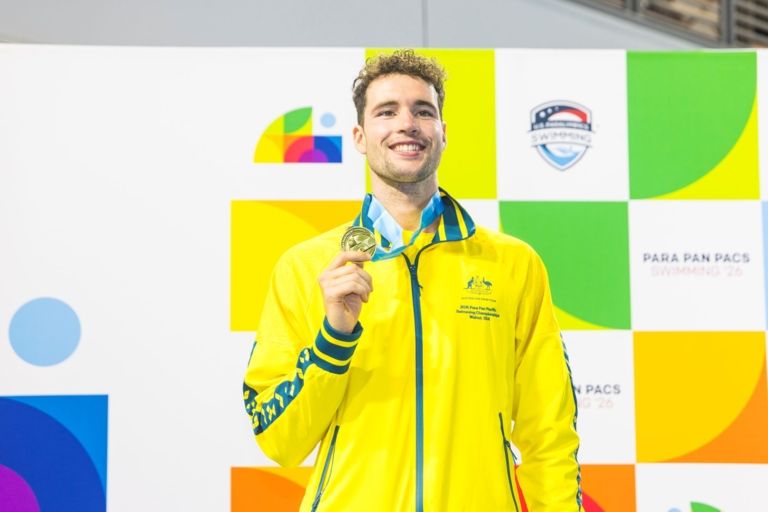
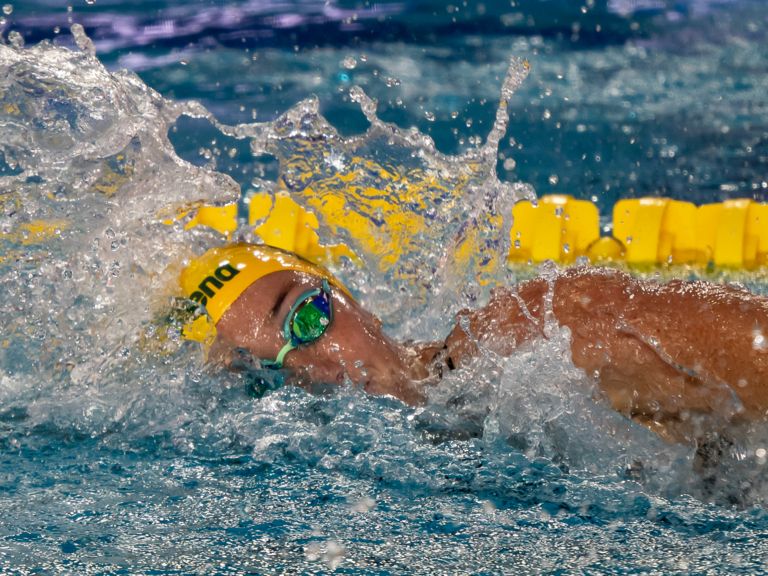
“I was able to come away with gold, and I swam faster than I was able to swim at the Paris Paralympics — so it was a very incredible time.”
After receiving her gold medal, Lucky made one thing clear.
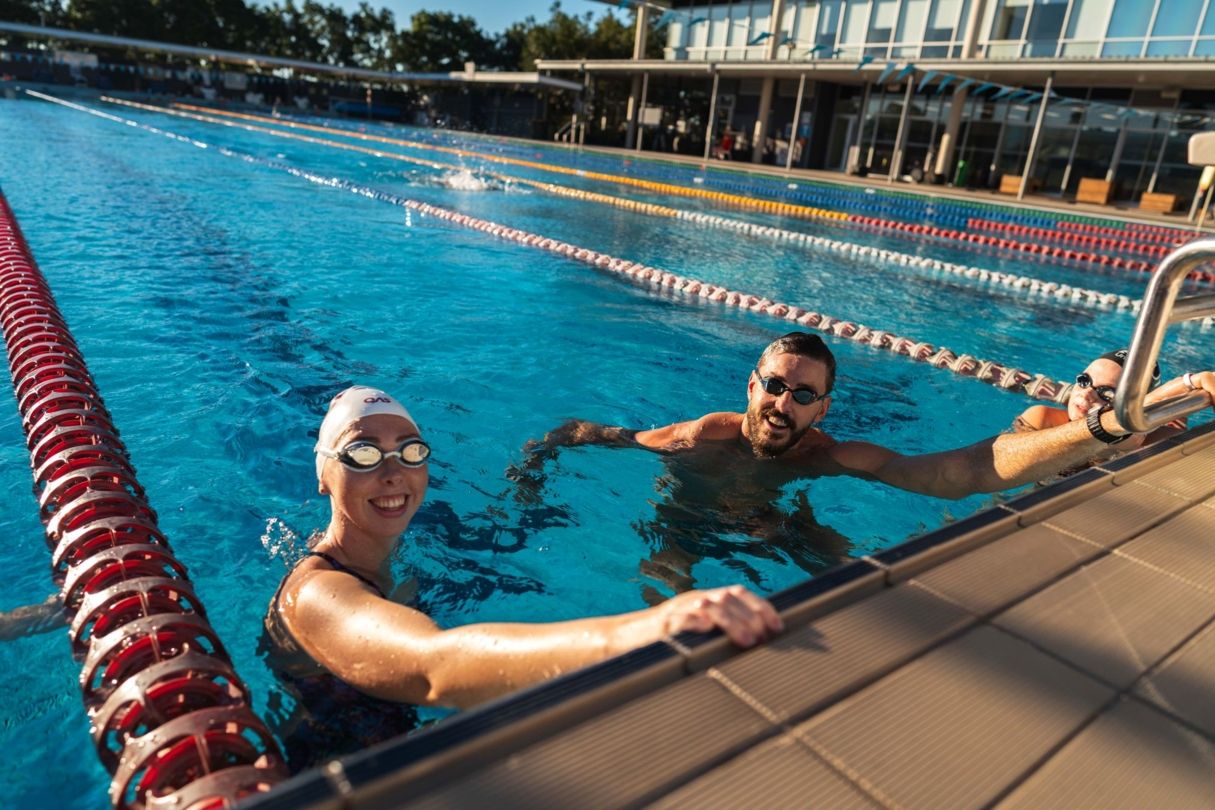
“The support around me has been absolutely pivotal to my career. It takes a village of people to get me behind the starting block.”
Next month, Lucky will return to Glasgow for her fourth Commonwealth Games, a full circle moment after making her Australian team debut at the 2014 Glasgow Commonwealth Games at just 15 years old.
Looking back, one lesson stands above all other.
“Rest isn’t a reward, it’s a requirement.”
“When times get really tough, I like to go back to my why, remembering why I started swimming.
“As a girl who fell in love with the water, who felt like I had no other place — this place was my home. It was magical and freeing, and for the first time in a really long time I’m doing it for me.
“I’m doing it to hopefully inspire others as well, to get involved in sport, and that no matter what challenge comes their way — it’s not a roadblock, there’s always a detour around the obstacle.”