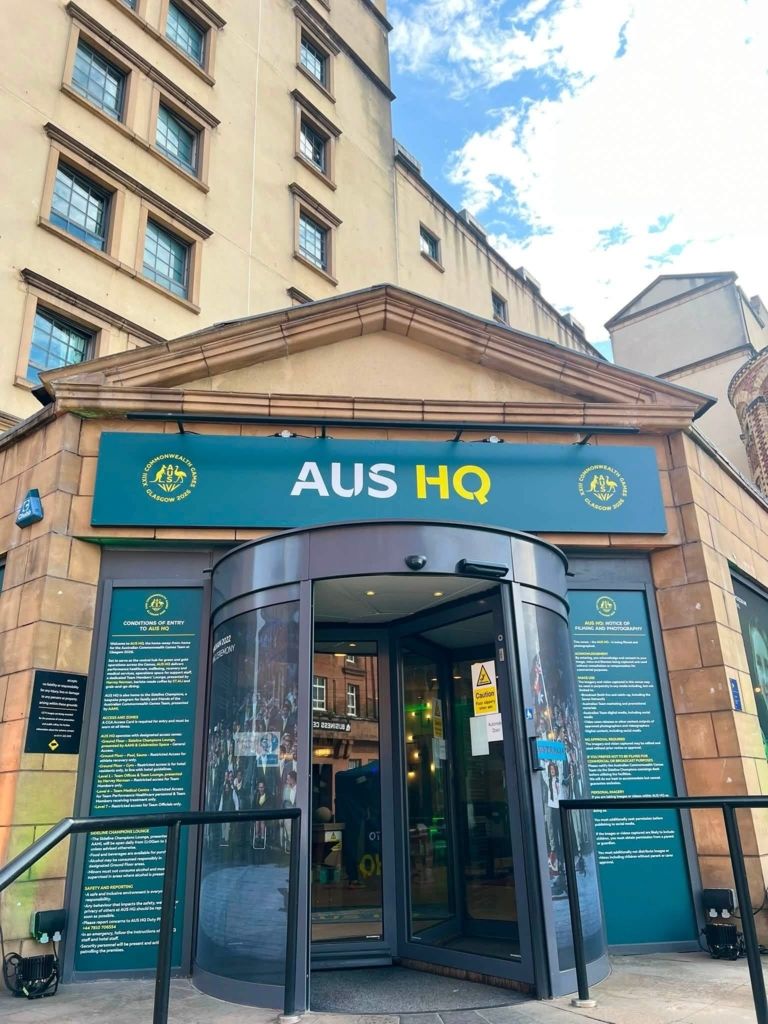
SHAPING WHAT COMES NEXT
At the Commonwealth Games, performance is tested long before competition begins. Travel, schedules, expectation and the weig...

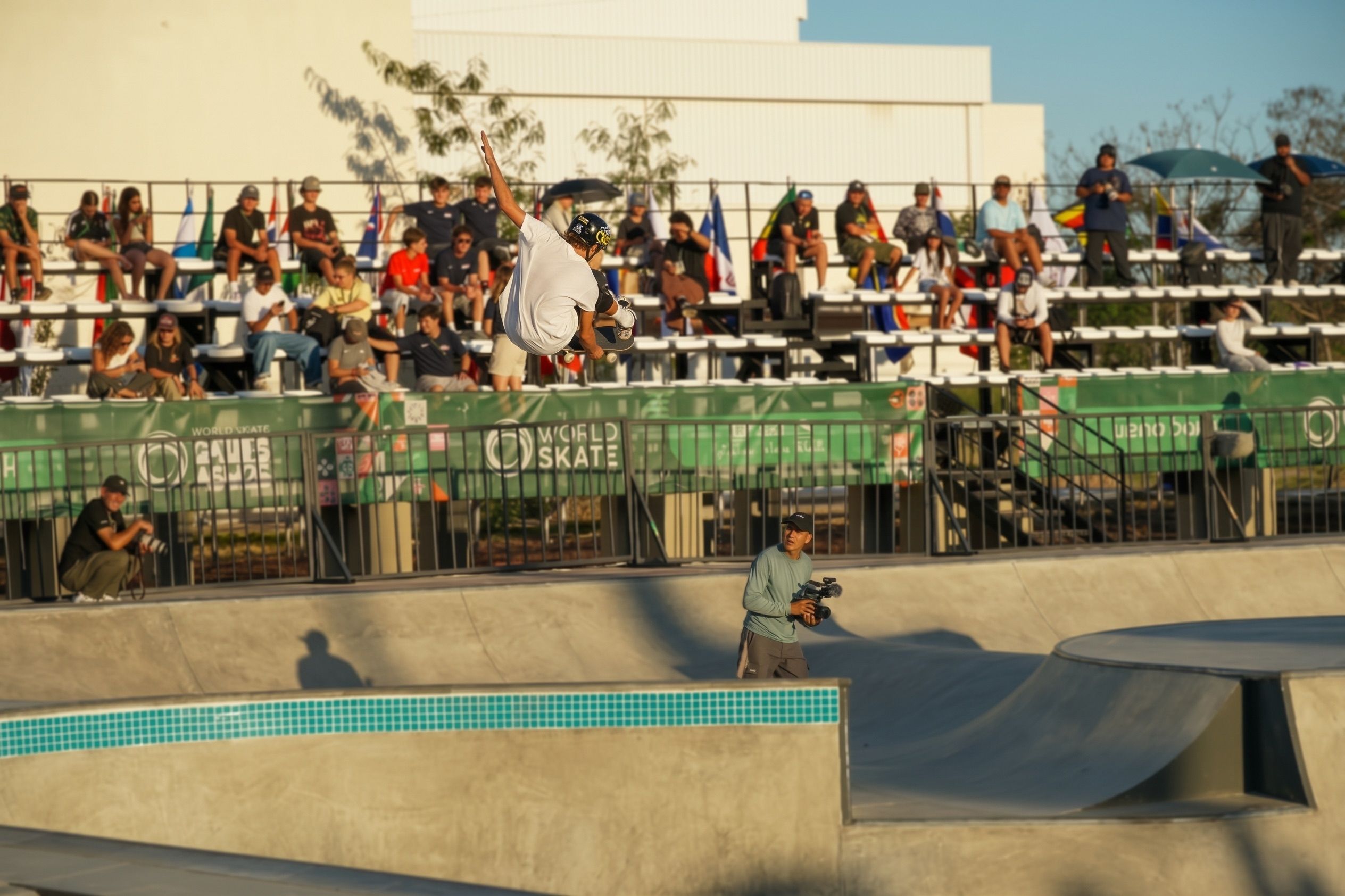
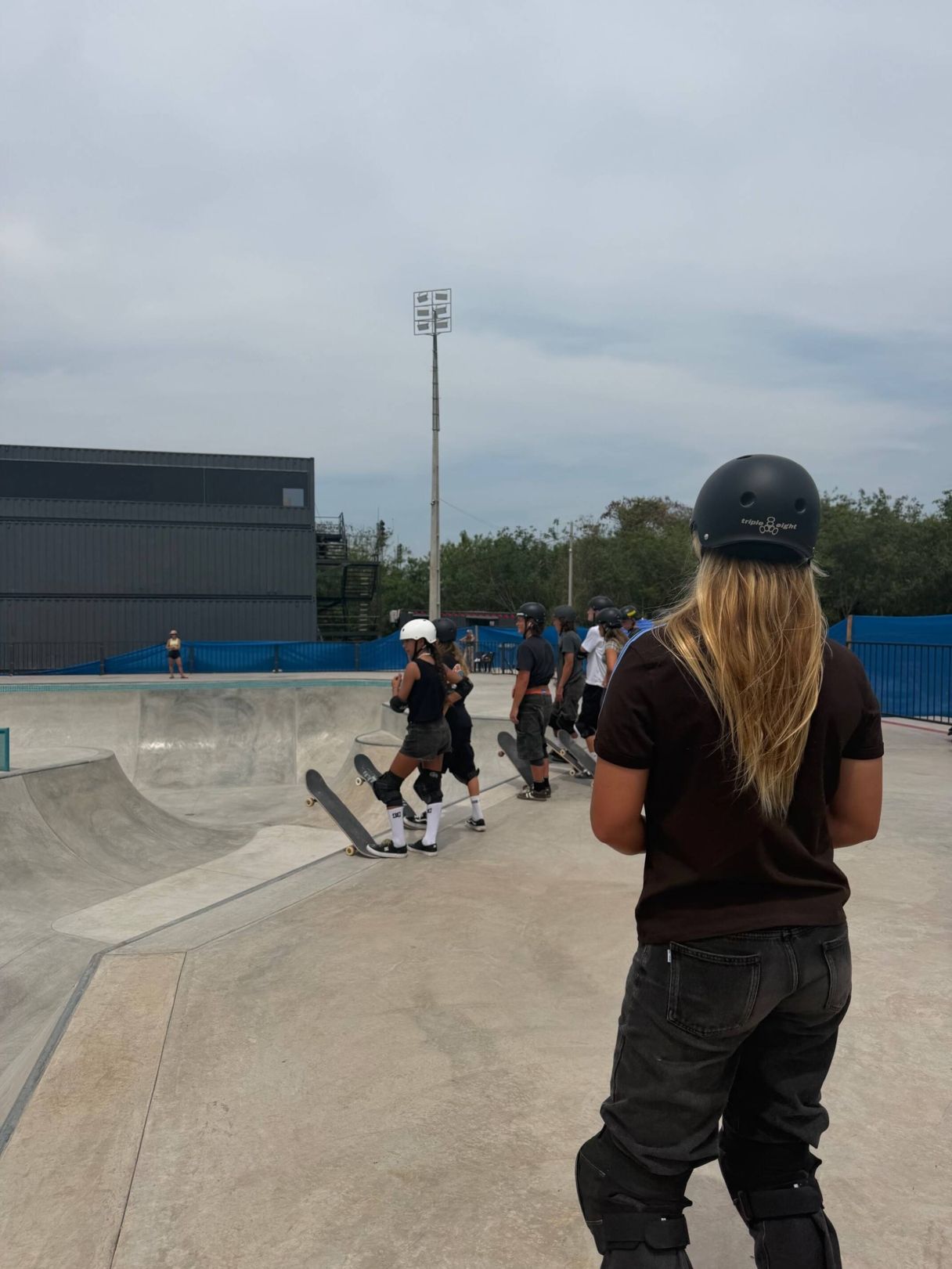
With temperatures approaching 40°C and limited access to food and fluids at the competition venue, keeping Australia’s skateboarders fuelled, hydrated and ready to perform presented unique challenges at the 2026 World Skateboarding Championships in Asunción, Paraguay.
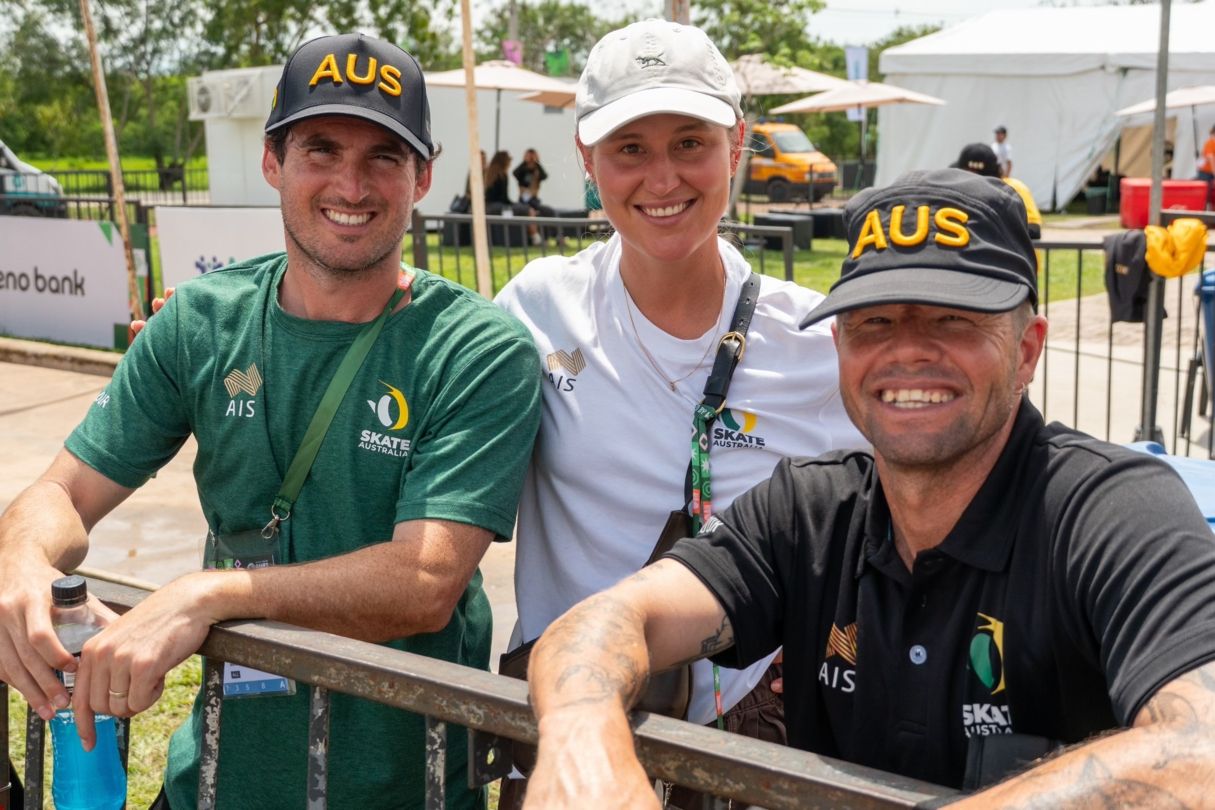
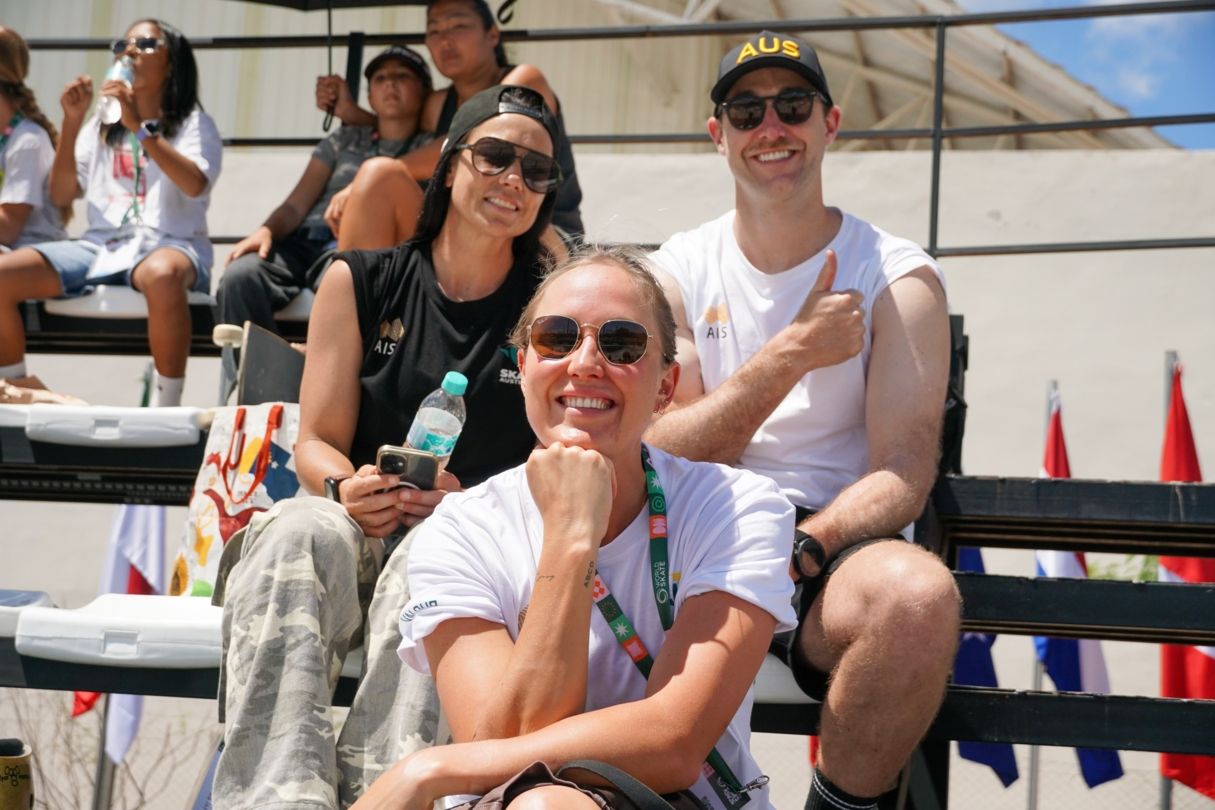
Helping the team navigate those conditions was Queensland Academy of Sport (QAS) Advanced Sports Dietitian Alyssa Koenen, who travelled with Skate Australia to support the Australian skateboarding team across both Park and Street disciplines.
For Alyssa, the role combined sports nutrition and athlete wellbeing support with the practical demands of operating as part of a team competing internationally.
“My primary role was providing sports nutrition and athlete wellbeing support throughout the competition, alongside assisting with general team operations,” Alyssa said.
“Day-to-day, this involved ensuring athletes had access to appropriate food, fluids and recovery nutrition around training and competition, particularly given the challenging environmental conditions, with temperatures reaching close to 40°C.”
Adapting to the conditions
Competing away from home can present athletes and their support teams with challenges that extend well beyond the competition itself.
In Paraguay, the heat and limited availability of food and fluids at the competition venue put an increased focus on planning and adapting athletes’ hydration, fuelling and recovery strategies.
“A big focus was managing hydration, fuelling and recovery strategies in the heat, alongside coordinating food and fluid availability at the competition venue, where access to these was quite limited,” Alyssa said.
Her role also extended to supporting individual nutrition requirements and working collaboratively with the broader medical and performance support team when athletes experienced illness or injury.
It is this ability to respond to athletes’ individual needs and the conditions around them that can make having performance support staff on the ground particularly valuable.
Supporting athletes wherever they compete
For Alyssa, travelling with the team meant support could be adapted as challenges emerged, whether relating to the environment, unfamiliar food options or an athlete’s individual circumstances.
“Having performance support staff on the ground is incredibly valuable, particularly when athletes are competing internationally in unfamiliar environments,” she said.
“It allows us to provide immediate, individualised support and adapt strategies to the challenges that arise, whether that’s managing extreme heat, navigating unfamiliar food environments, supporting recovery or responding to unexpected illness and injury.
“It also means athletes can focus on their performance, knowing they have a team around them helping to manage the practical aspects of their health, nutrition and wellbeing.”
The experience provides an insight into the specialist work that happens behind the scenes when athletes compete internationally, and the role performance support staff can play in helping athletes navigate the demands of competition away from home.
For the QAS, nutrition forms part of a broader performance support capability focused on supporting athletes throughout their sporting journey.