From Sydney gold to shaping the next generation
This week, almost 26 years on, she is looking to the next generation.
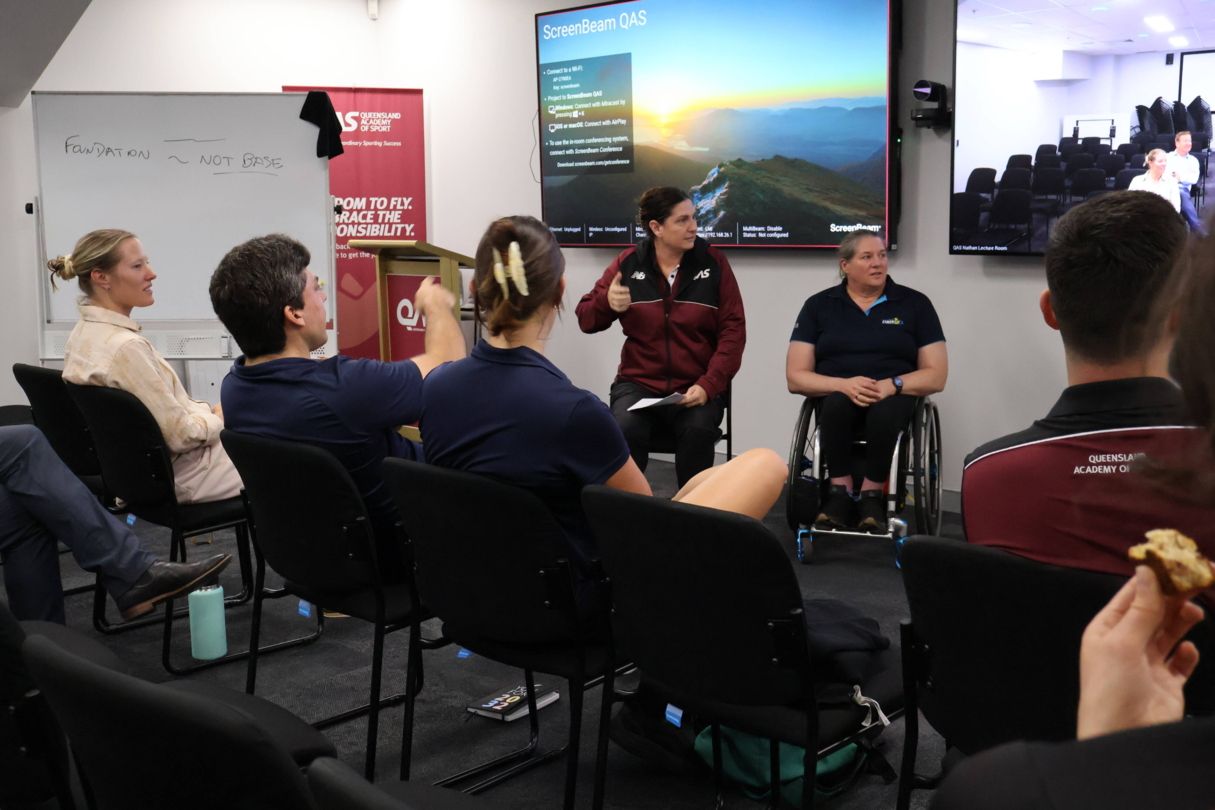
Speaking at the QAS Team Huddle, Lambert reflected on ...

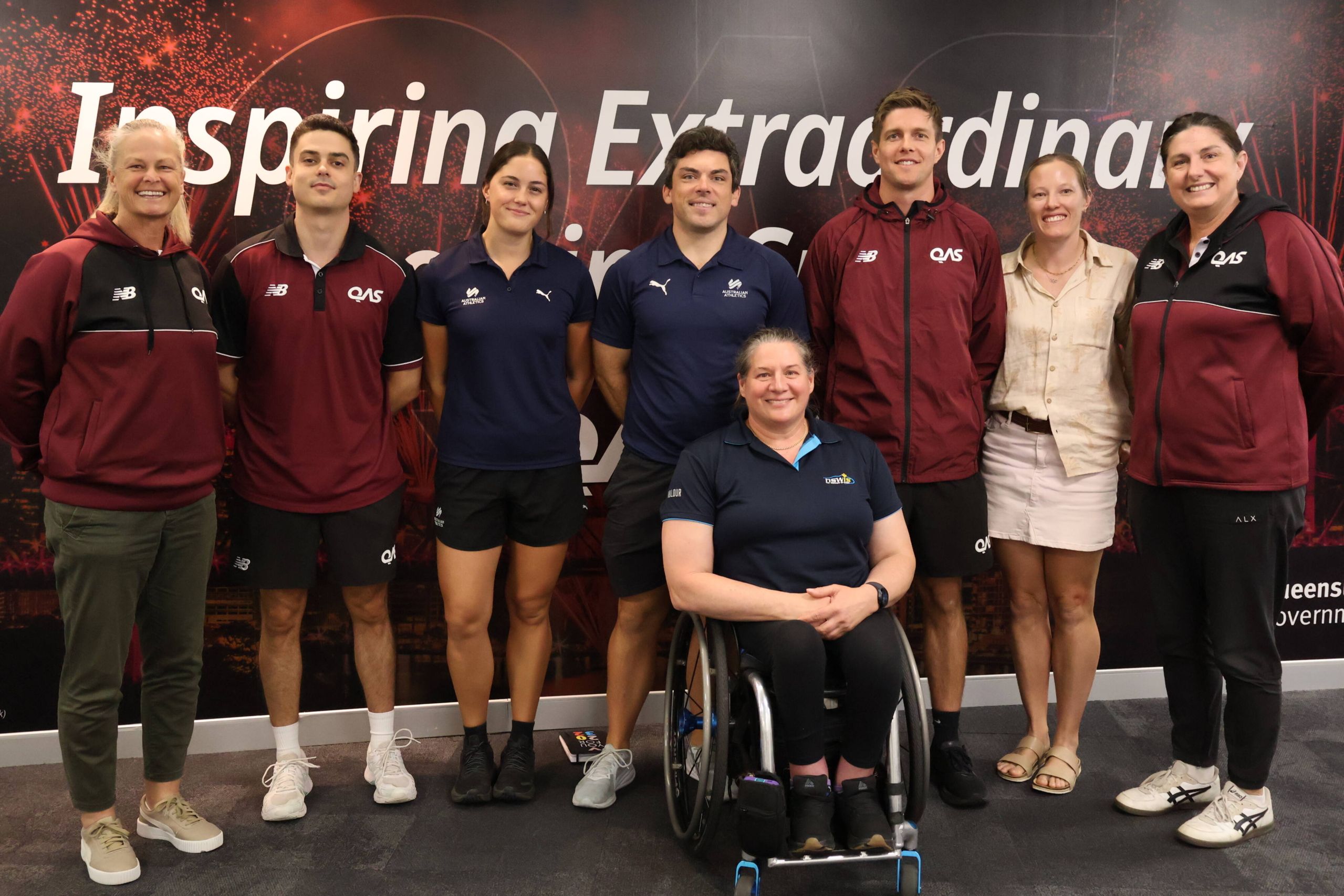
Nine Paralympic gold medals made Louise Sauvage one of Australia's greatest athletes. But it's what she's learnt on the other side of the finish line that could help shape Queensland's next generation of coaches.
Louise Sauvage has spent much of her life proving what’s possible in sport.
Now, as a coach, she’s asking others to question what they think is possible.
The nine-time Paralympic champion believes working with athletes with disability can make anyone a better coach, because it demands something that no coaching manual can fully teach: the ability to think differently.
“Coaching an athlete with disability will make you a better coach, because you have to think outside the box all the time,” Sauvage said.
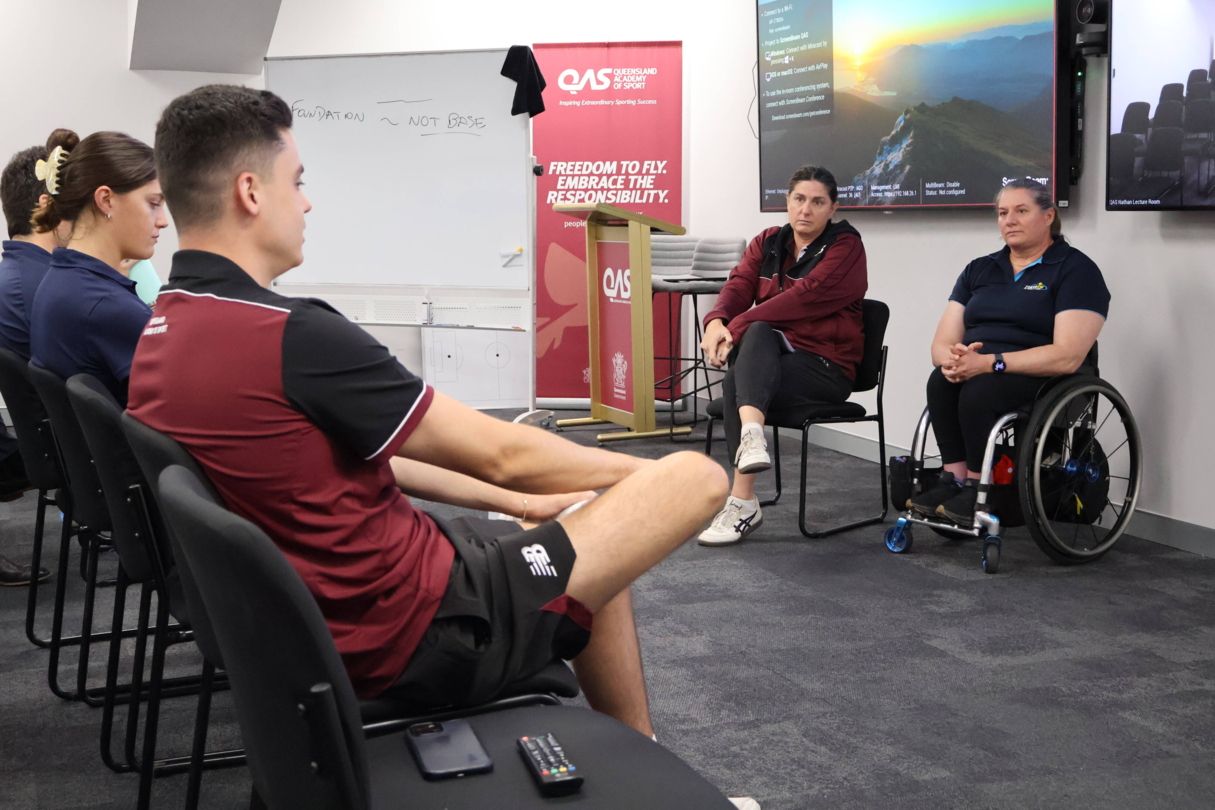
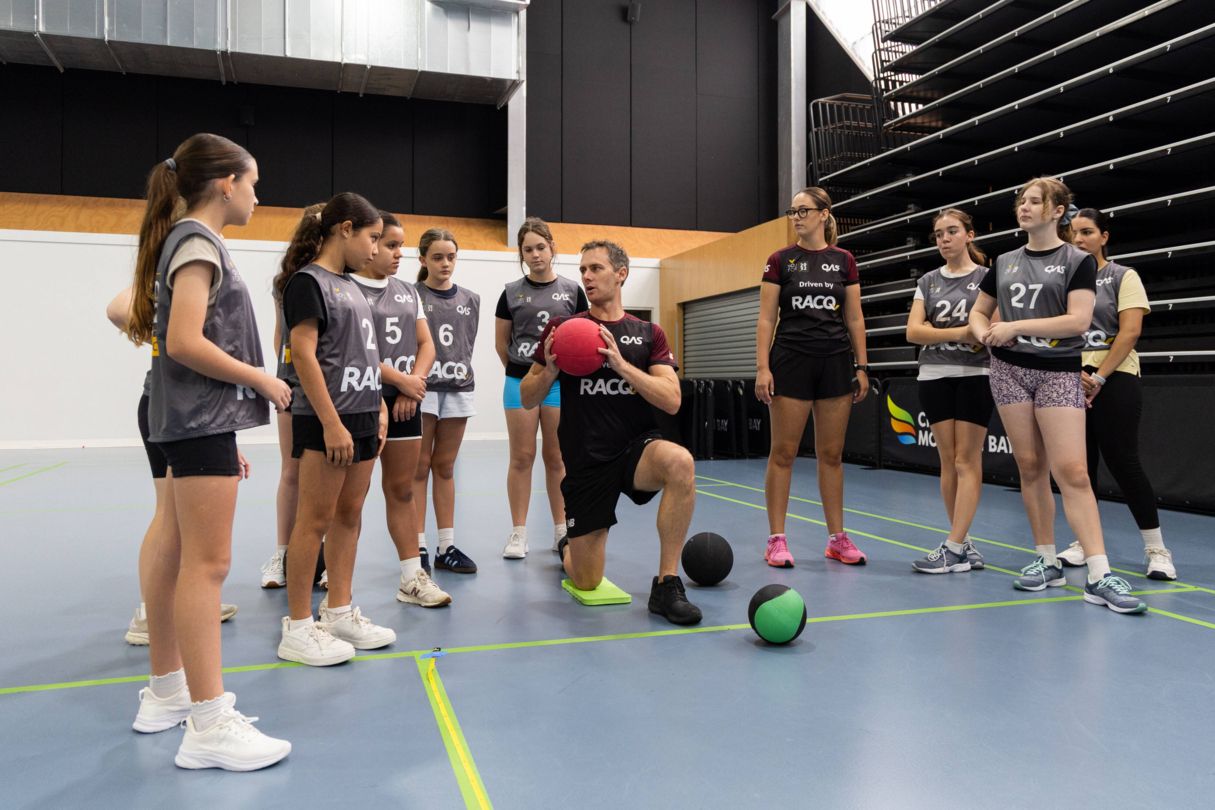
It’s a lesson she shared with Queensland Academy of Sport (QAS) Gen 2032 and Para coaches during a development session organised by the QAS Coaching Development program.
And it goes to the heart of what the program is trying to achieve: developing coaches who can adapt, challenge assumptions and find better ways to support the athletes in front of them.
For Sauvage, that starts with curiosity.
After transitioning from champion athlete to coach, she discovered that experience alone wasn’t enough. She needed to ask more questions, listen to different perspectives and draw on the expertise of those around her.
What do you reckon? What else can we do?
Those questions now help shape her approach.
In Para sport, she explained, two athletes with the same disability or classification can have entirely different needs.
The challenge isn’t to find one perfect coaching method. It’s to understand the individual and be willing to change your approach.
That might mean adapting equipment, communicating differently or drawing on specialists across the performance team.
But beneath the technical complexity sits something far more fundamental.
“The relationship to athlete, coach is so important. And then everything else should be there to complement that.”
It’s a philosophy built on trust, open conversations and understanding what each athlete needs to perform.
For the QAS Coaching Development team, bringing Sauvage into the room was about more than learning from a sporting legend.
It was an opportunity for emerging coaches to hear how one of Australia’s most successful athletes has continued to evolve, question herself and learn throughout her coaching career.
Through the QAS Gen 2032 coach development pathway and dedicated Para coaching opportunities, the QAS is helping coaches build the skills, relationships and adaptability needed to guide Queensland athletes towards future international success.
Sauvage’s message was a reminder that the next generation of great coaches won’t be defined solely by what they know.
They’ll be defined by their willingness to keep learning.
And sometimes, the most valuable lesson from a champion isn’t how to win.
It’s how to think.