“When you shoot an arrow really well there is a feeling of almost euphoria. Everything’s just gone right.”
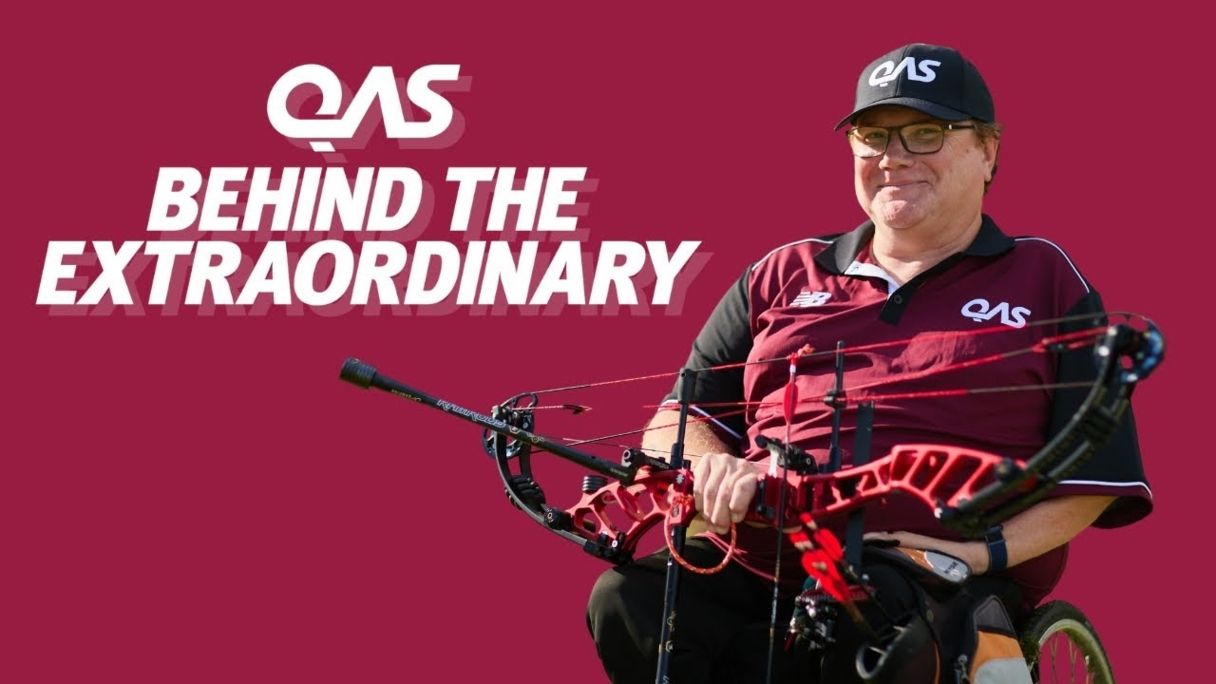
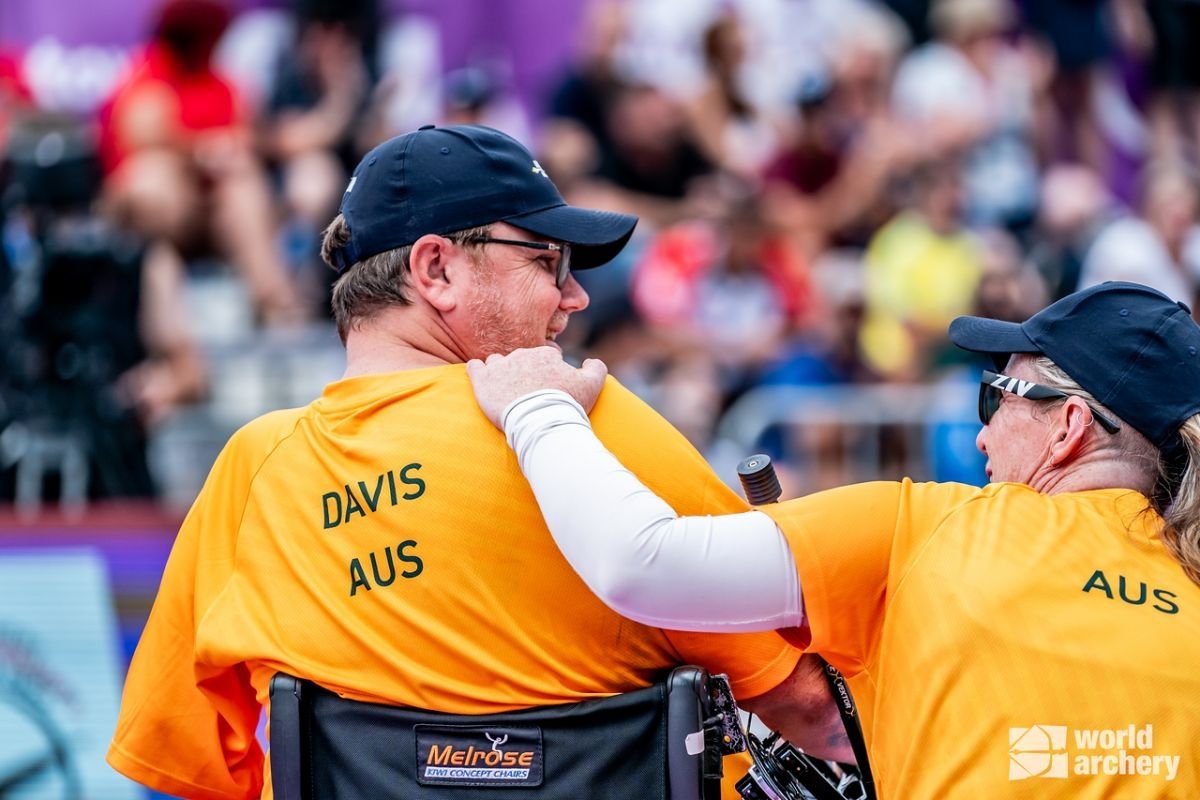
Chris Davis was inspired to find a sport he could compete in after watching his wife run ultramarathon races for years.
“It’s probably the first time I’ve ever been proud to say I can do something pretty good,” says Chris.
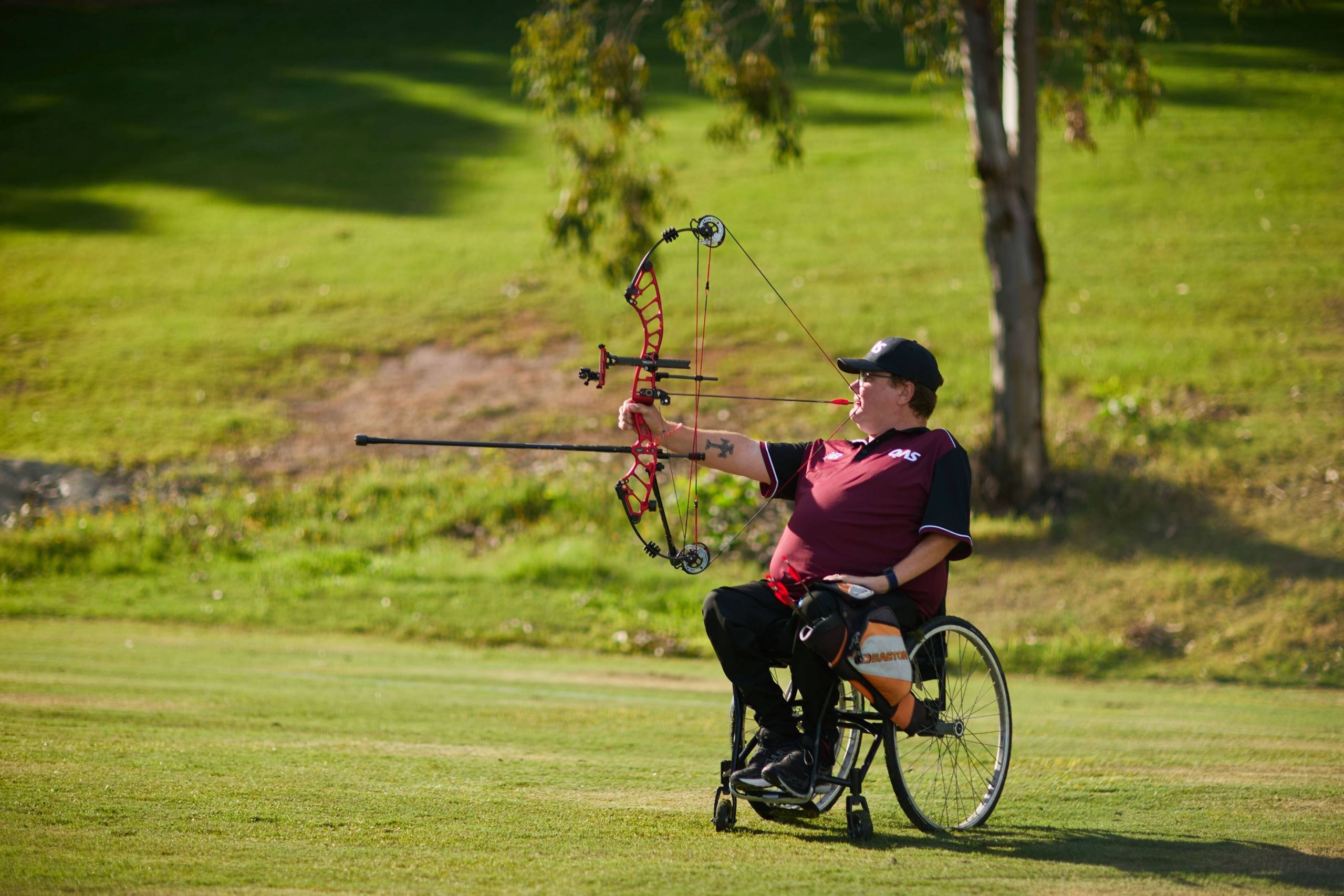
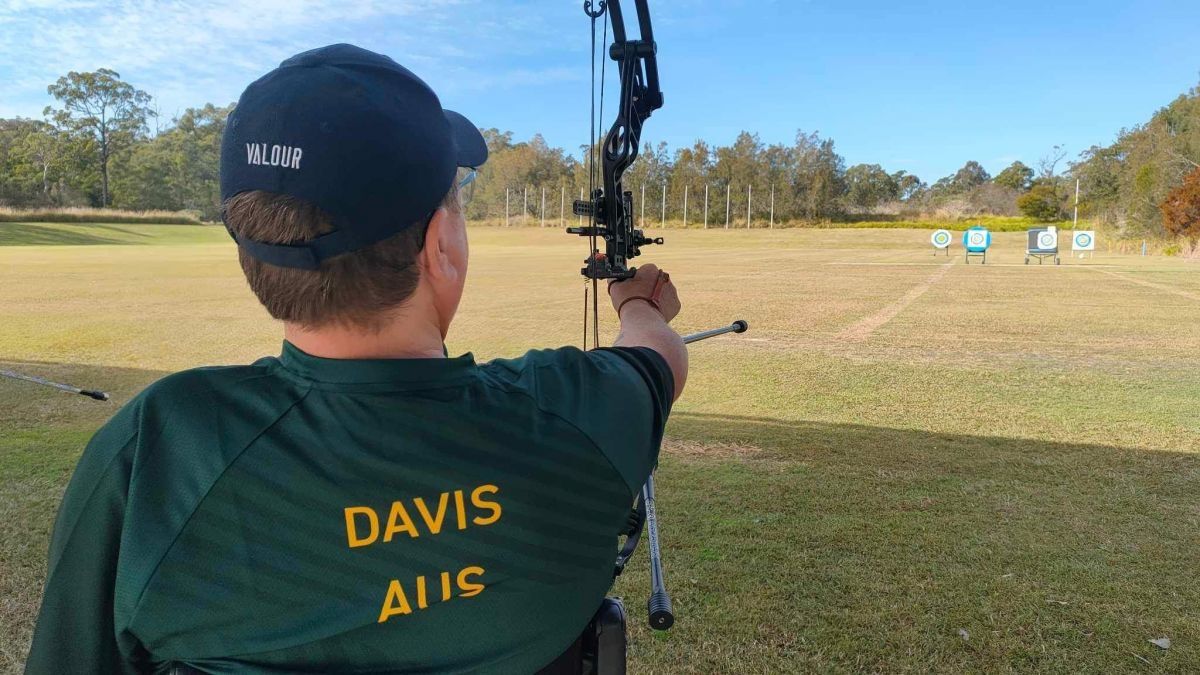
Chris uses a compound bow with material attached to a D-loop on the string, which he bites down on to shoot arrows.
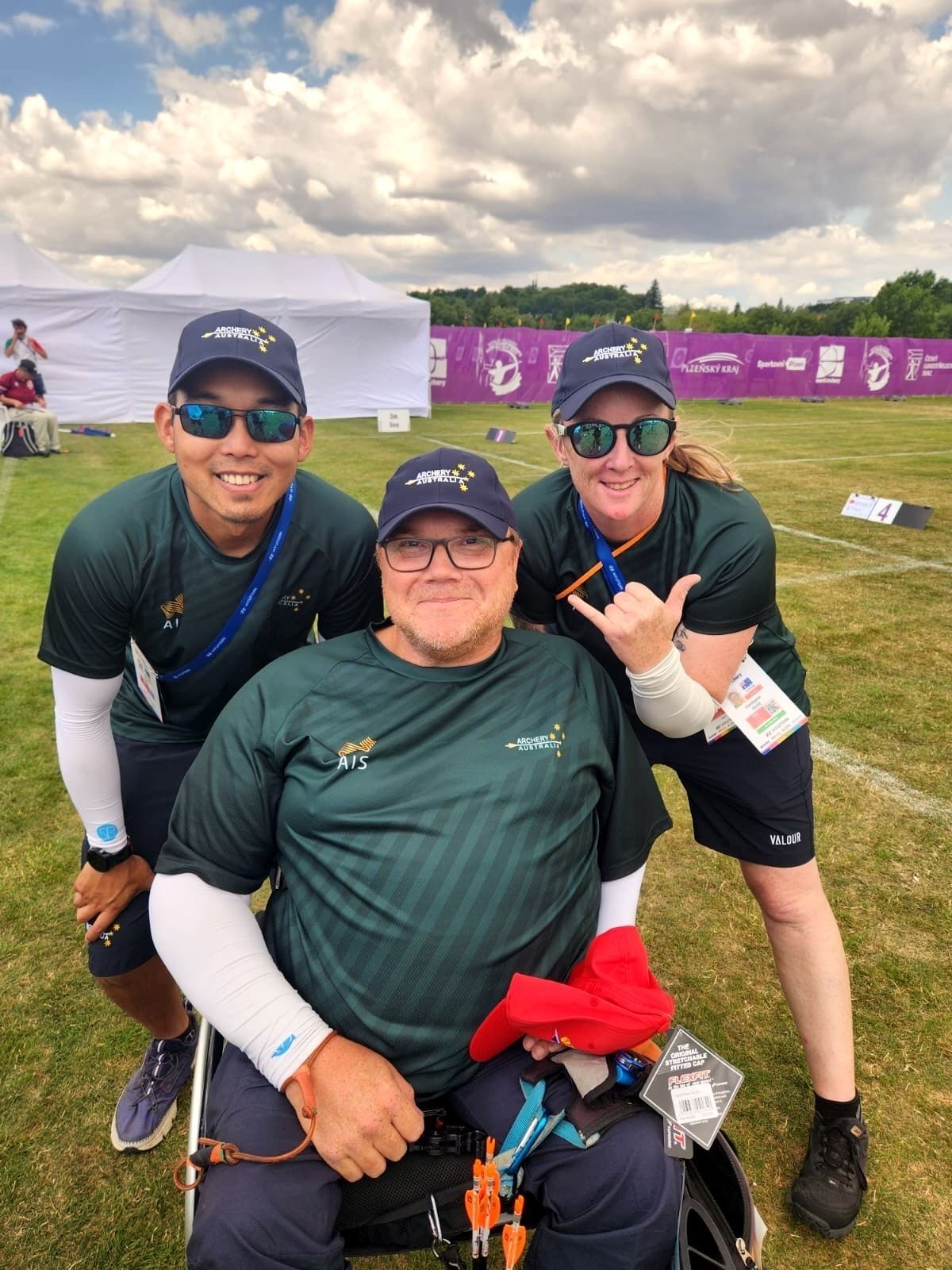
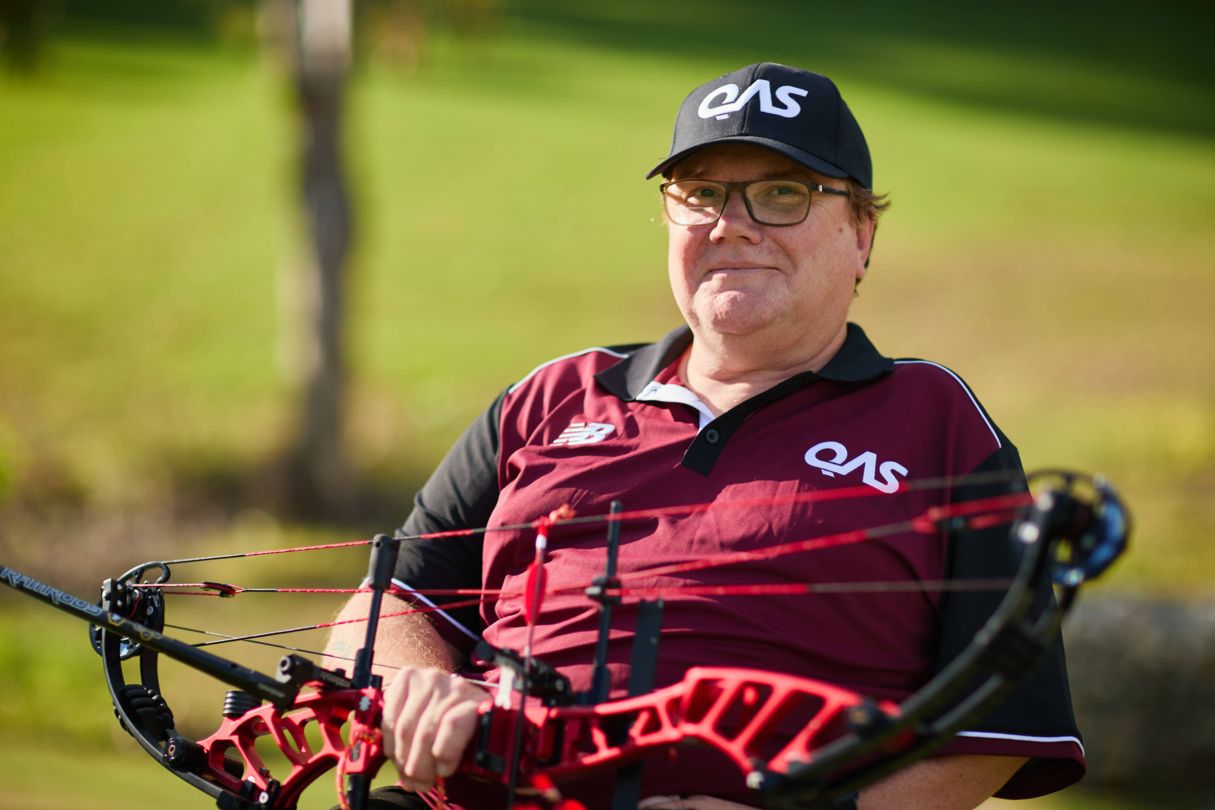
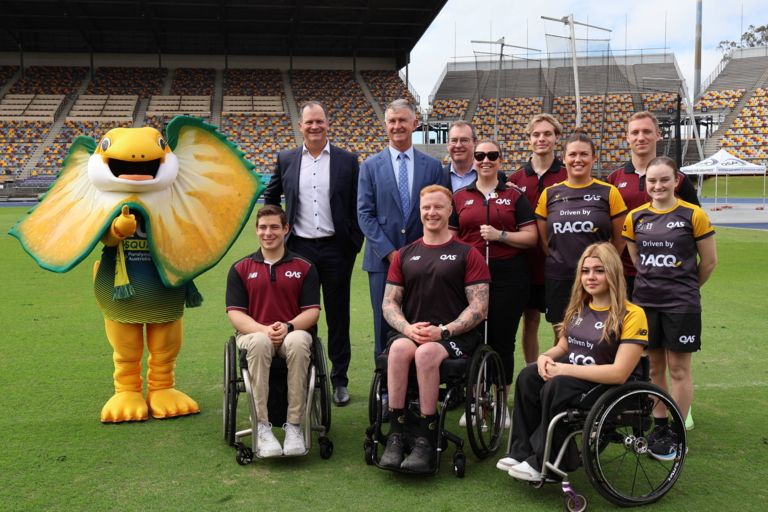
He competes in the Men’s W1 category with the help of Archery Australia coach Sarah Fuller and a team of performance experts from the Queensland Academy of Sport (QAS).
“I like the fact that archery puts me in the now. For ten seconds there’s nothing else and that’s been a difficulty for me for most of my life,” says Chris.
“I’ve done many different things in the past. I was a social worker in years gone by. I’ve worked in emergency departments, ICUs and in mental health. But I’ve moved away from that. I do archery now and that’s what I want to keep doing for the next little while. Until the LA Games at least!”
The QAS-supported athlete was preparing to make his debut at the Paralympic Games in Paris when he tore part of his supraspinatus muscle in his shoulder.
“I was getting into bed, just doing a normal transfer, getting comfortable and I got a really sharp pain that just about took my breath away. I knew I’d done something bad,” said Chris.
He was forced to give up his Paralympics quota spot to a para archer from America, who went on to win the gold medal in Paris.
“I was watching the Paralympics scores and I was pleased with what I was shooting prior to my injury to what they were shooting. I think I could have had somewhat of a reasonable chance.”
Chris is working with a team of experts at the QAS to not only rehabilitate his shooting shoulder, the same shoulder he relies on for everyday life, but to go for gold at the next world championships.
“I’m on a medal support program with the QAS and in that team I’ve got a whole bunch of people in Cameron Lane, who does Strength and Conditioning. Nick Rees is my Physio. Bec Disher is my Dietitian. And then the Sports Scientists, Hedda Giorgi, Courtney Porter, and Megan are all looking at refining what I do to try and get me shooting better,” explains Chris.
“Each time I’m pushing out the bow the initial push is 45 pounds. You do that one hundred times a day and it takes a toll.”
To help combat that toll on Chris’ body is QAS Movement Scientist Courtney Porter.
“Given the nature of Chris impairment, balancing load for Chris has been a critical part of his performance preparations,” explains Courtney.
“From a skill acquisition perspective, this means we’ve worked intelligently to maximise the quality of his practice and ensure that we can extract as many meaningful shots as possible,” says Courtney.
Helping to improve Chris’ shooting skills and the quality of his training is QAS Performance Scientist, Hedda Giorgi.
“We came to Chris’ training with some high-speed video cameras to capture the tiny, tiny movements in the hand, the bow, and the mouth. Those tiny movements can make a massive difference to where the arrow lands. And the cameras capture hundreds of frames per second with high resolution, so that video footage helps Chris focus on the things that he needs to and gives his coach ideas on what to work on,” says Hedda.
“Chris is very humble. When he takes a bad shot he’ll turn and say ‘I don’t want to waste your time’. We’ve had to explain to him that he’s not wasting our time, in fact getting data on his bad shots is actually really helpful,” explains Hedda.
The painstaking efforts Chris’ support team go to are not lost on the para-archery champion.
“It’s a good example of I get the glory of shooting the thing and getting the award, but with people like Sarah, QAS staff, AIS staff, Archery Australia, my friends around me, they get forgotten,” reflects Chris.
“I think it’s really important to remember those people, the effort that they’re putting in, the time that they put in, and the passion.”
The passionate team are now focused on achieving the next history-making feat ahead of their ultimate goal at the Los Angeles 2028 Paralympic Games.
“There’s a World Championships next year and I want to win that one again, back-to-back. Because that’s not been done before,” smiles Chris.