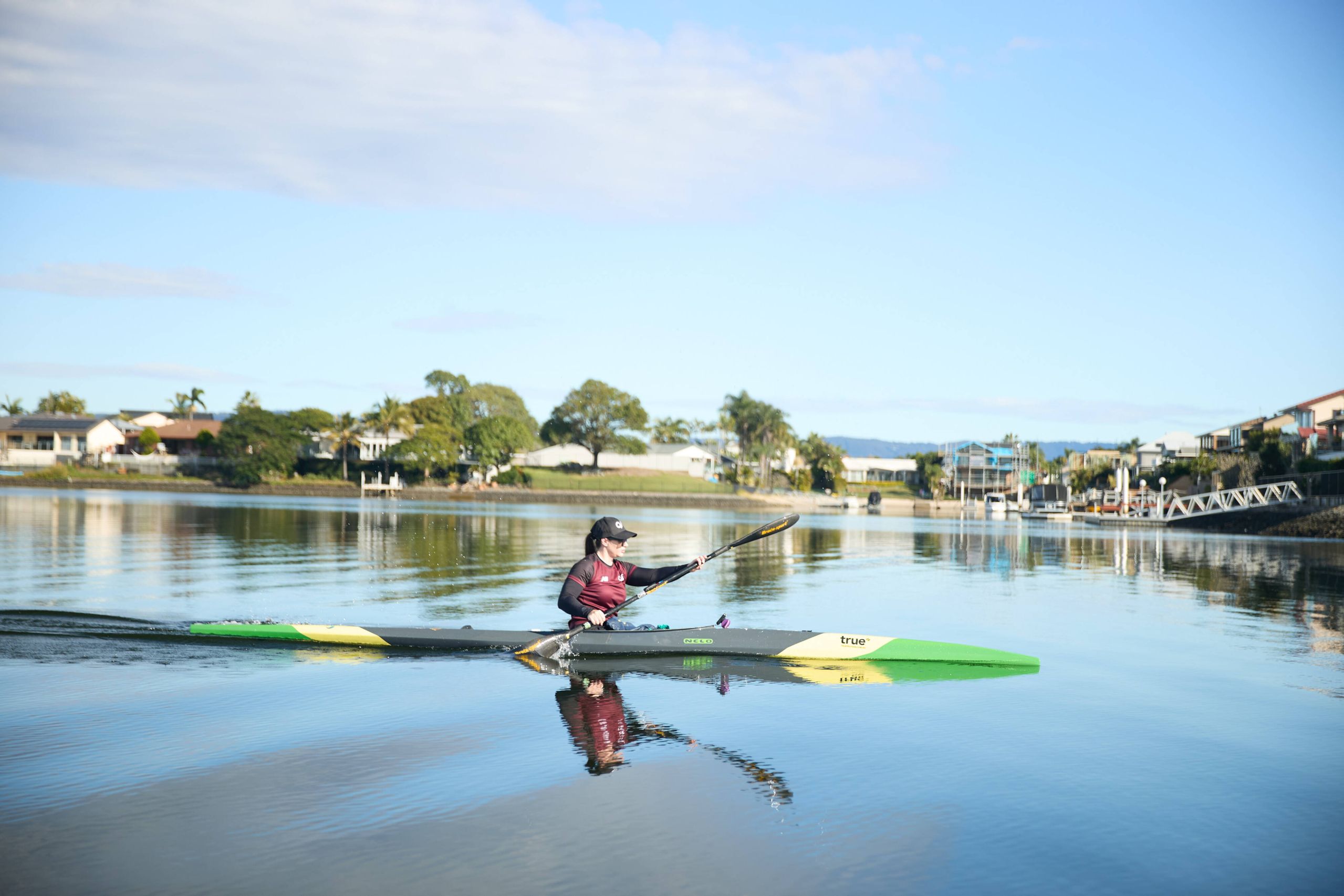
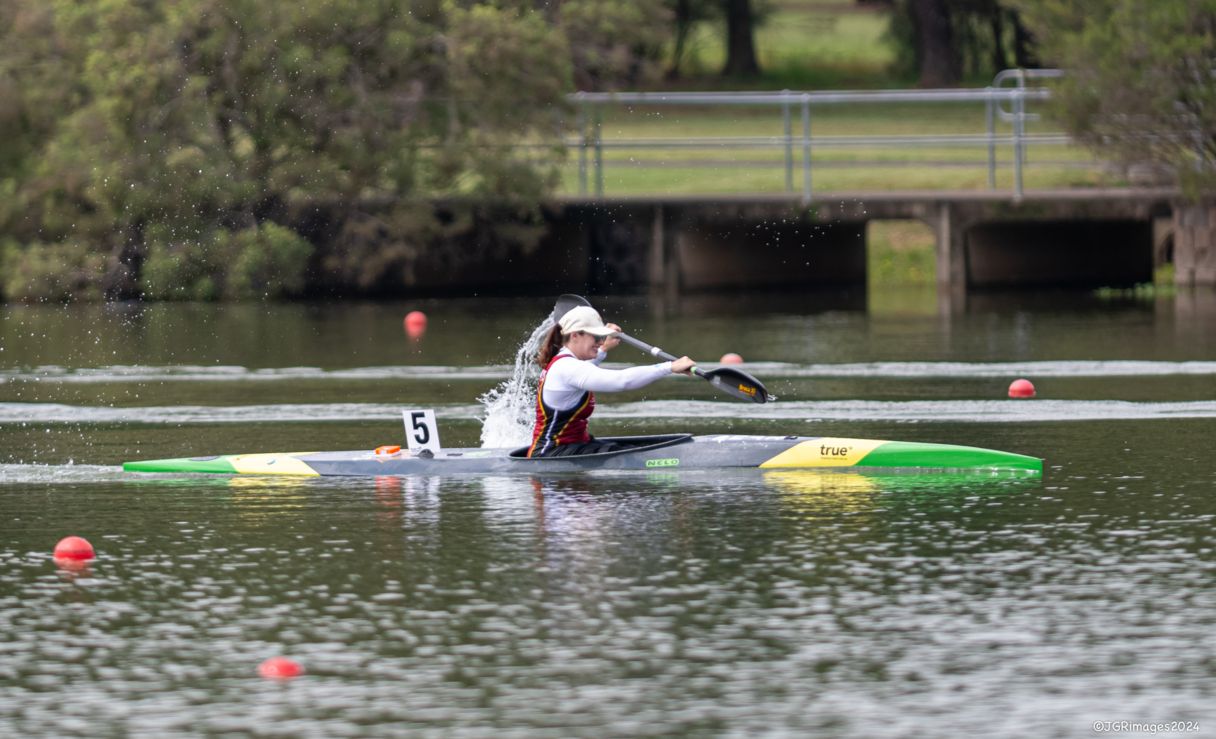
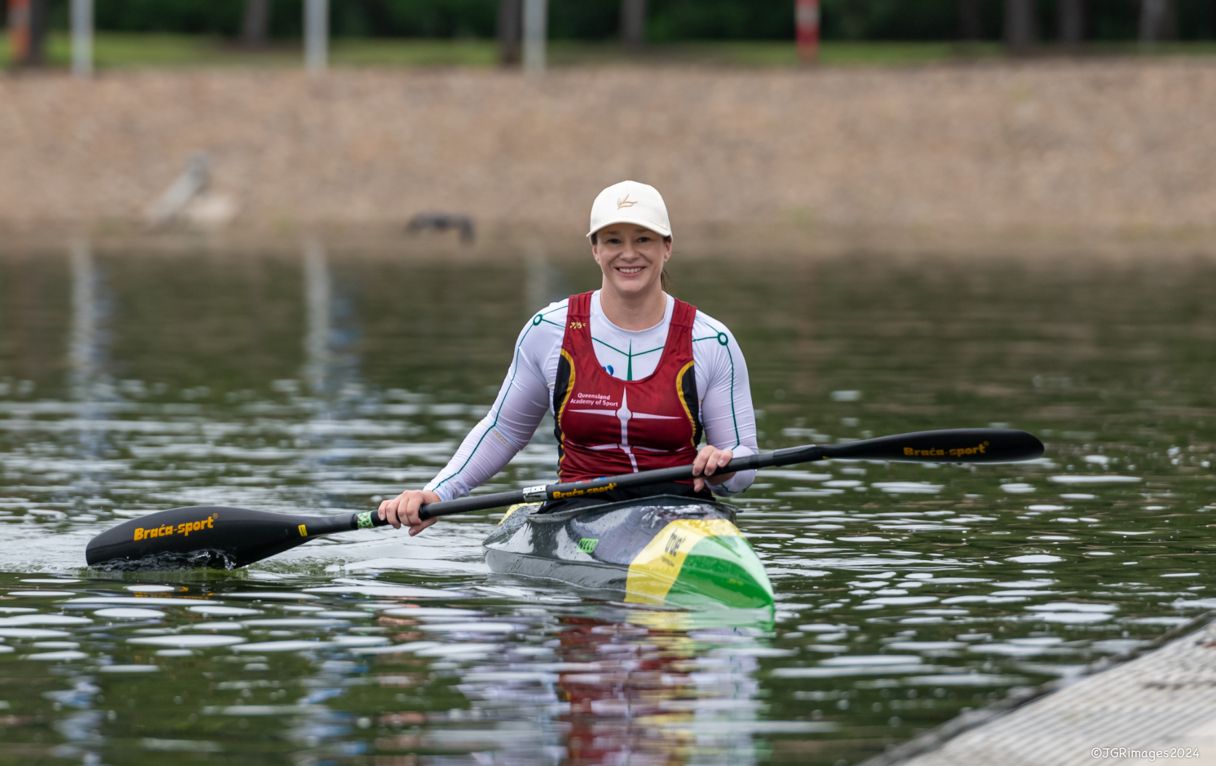
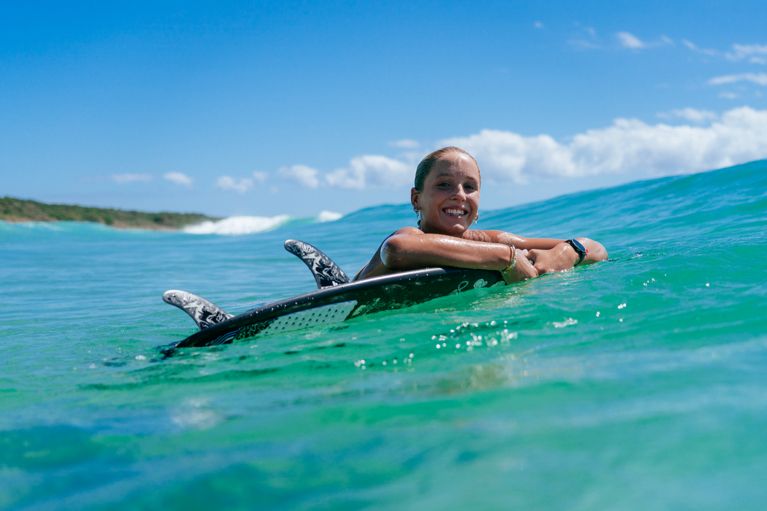
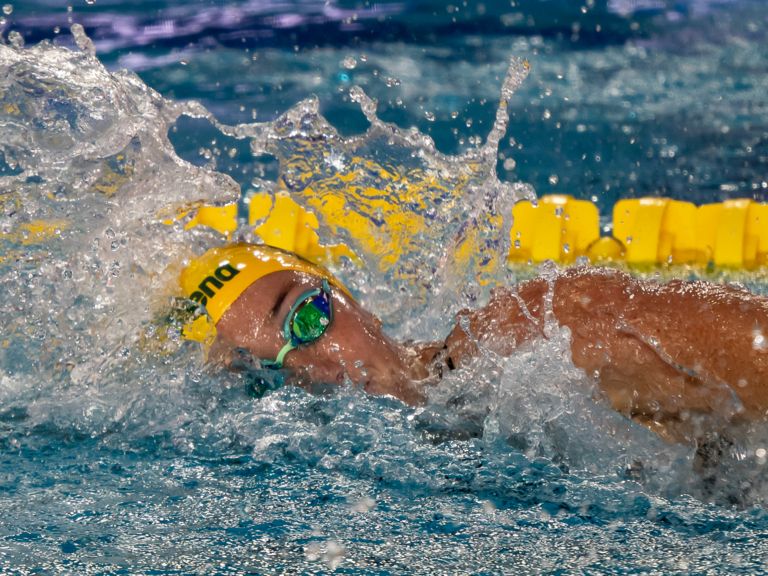
“It’s a dream come true being a Paralympian. So I’m always happy to do the hard work and live my dream,” says Susan Seipel after a hard morning of training on Gold Coast waterways.
The two-time Paralympian was first inspired by a generous encounter with Para Equestrian Gold Medallist, Brita Anderson.
The Dutch champion was training in Australia for the Sydney 2000 Olympics when she met Susan.
“She gave me a shirt that she wore the first time she competed at the Paralympic Games in equestrian from 1996 in Atlanta. She won Gold there. She said to wear the shirt when I go to my Paralympic Games,” says Susan.
The encounter inspired the budding Paralympian, who was already an accomplished Dressage competitor.
“Brita was someone that I aspired to be like. She really inspired me by being so nice to me and giving me a shirt to wear. I’ll never forget the impact she had on me,” reflects Susan.
Susan had previously represented Queensland at the Disabled National Dressage Championships in 1998, taking first place.
In 2010 Susan and her horse Larundel Gelata were selected for the World Equestrian Games in Kentucky, USA. But financial difficulties stopped Susan from being able to compete.
The setback caused Susan to take a break from equestrian. But her competitive nature soon got the better of her.
Susan attended a Para canoe come-and-try day with Olympian Amanda Rankin in 2012, which reignited her Paralympic dream.
“When I first did kayaking I had really good balance. I’d learnt how to balance on top of a horse, so when I transitioned into this sport, the balance thing came quite easy to me, which is apparently one of the harder things to learn when you’re just beginning,” says Susan.
In less than two years Susan was competing in her first regatta at the Queensland State Canoe Sprint Championships, before going on to become a three-time World Champion medallist, and Australia’s first Paralympic Medallist in the sport.
But Susan hasn’t done it on her own.
“I think it would be extremely hard to do it by yourself. To not have all that motivation around you would be really difficult,” says Susan.
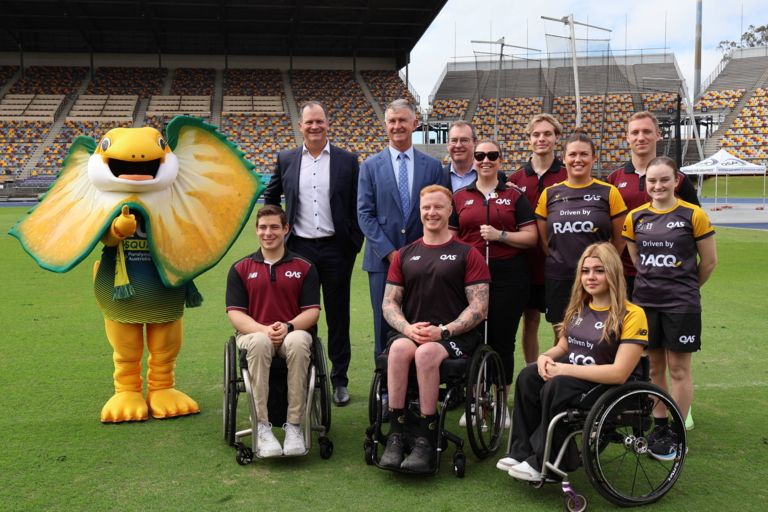
The Paralympian is coached by Olympic Kayaker Anna Wood and works closely with experts from the Queensland Academy of Sport (QAS).
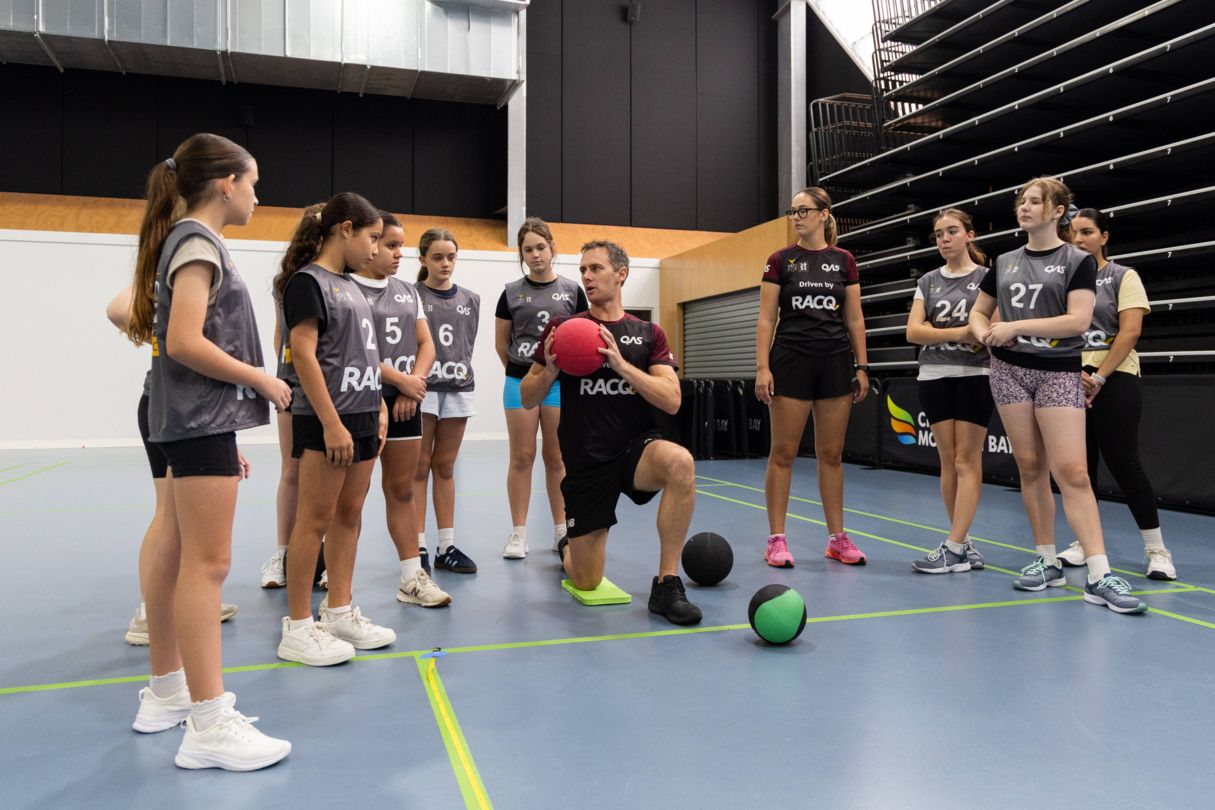
QAS Strength and Conditioning coach, Jesse Flemming, has been instrumental in Susan’s success.
“We’ve achieved a lot together in the gym, far more than I could do on my own,” says Susan.
“Jesse’s had to come up with a lot of adaptions to a lot of the exercises. And that’s something that’s really pushed me beyond what I thought I was capable of.”
The pair have been working together for the best part of a decade.
“Susan’s one of the first athletes that I’ve worked with,” explains Jesse.
“What I’ve learned from working with Susan is I kind of need to think outside the box with what you need to try and do as a coach. Things can be a puzzle sometimes, but it’s just a little bit of patience and consistency that can get us to a final result,” says Jesse.
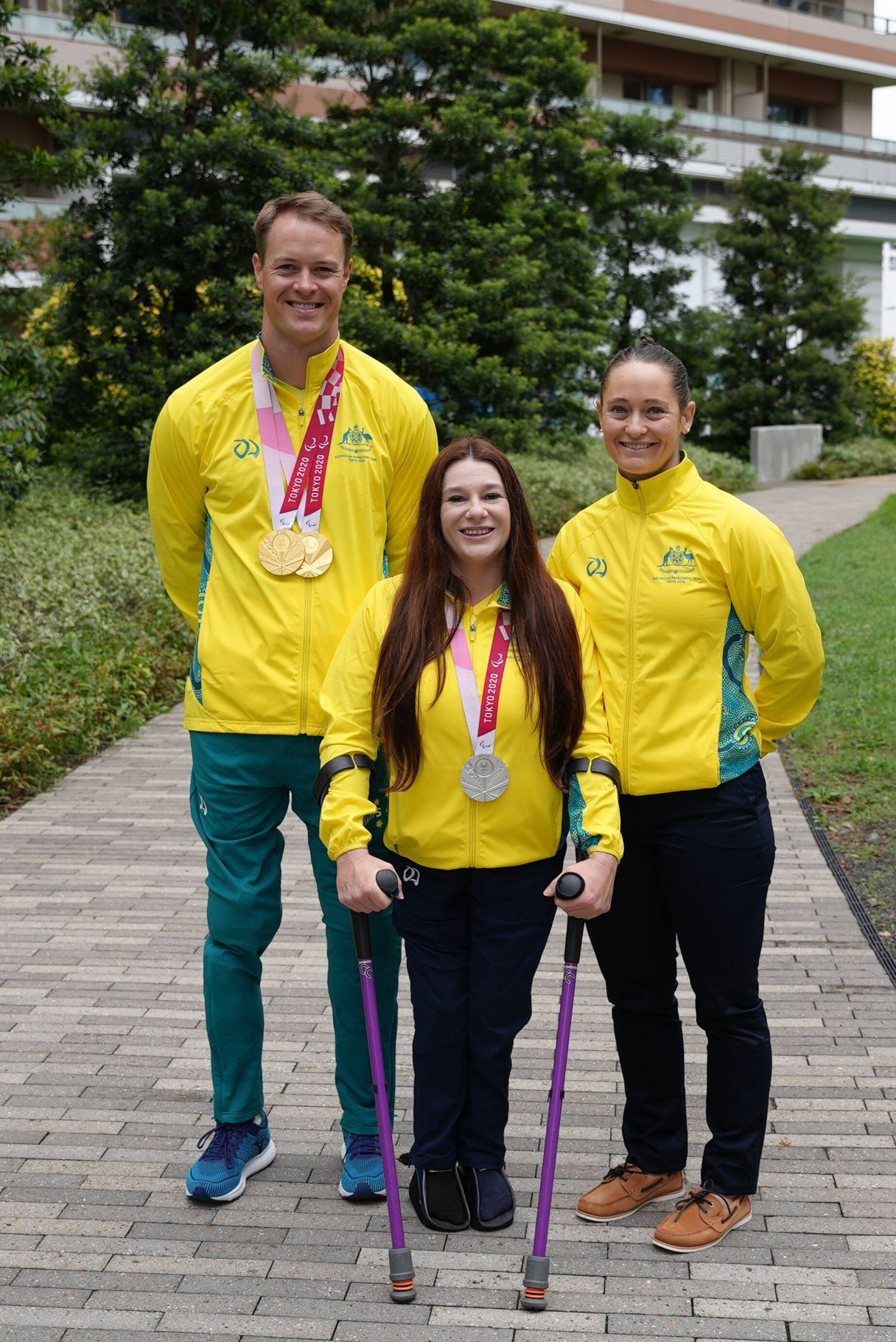
That patience has paid off with Susan winning a bronze medal at the Rio Paralympics in the Women’s Kayak KL2, and a silver medal at the Tokyo Paralympics in the women’s VL2 200m.
Susan also takes a keen interest in the data collected from her training working closely with sports scientist Luke Badham.
“I always have a tonne of questions about the data. I’m always going to Luke and asking for his opinion of things. Looking very closely at how I can get the boat as efficient and as fast as possible. He has a lot of insight on that. And I love picking his brain and finding where we’re at as far as my training is going,” explains Susan.
While the two-time Paralympic medallist is eyeing off another podium in Paris, Susan says she is competing for a greater cause.
“Sport has an amazing power to inspire, and I find it really motivating to think that I can be inspiring the next generation. The small moments can have such a big impact. It’s the power of role models in sport.”