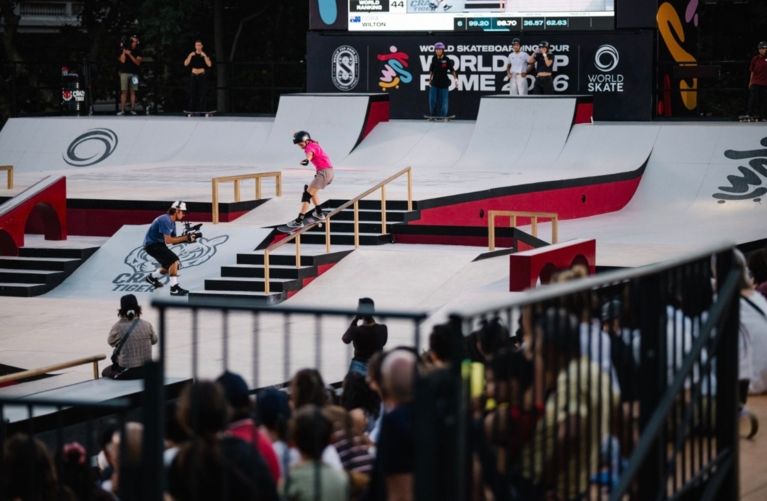
From Agnes Water to the world stage: 13-year-old Cora Wilton ready for World Skate Games
View athlete profile The Queensland Academy of Sport (QAS)-supported street skateboarder is heading to Paraguay for the upco...

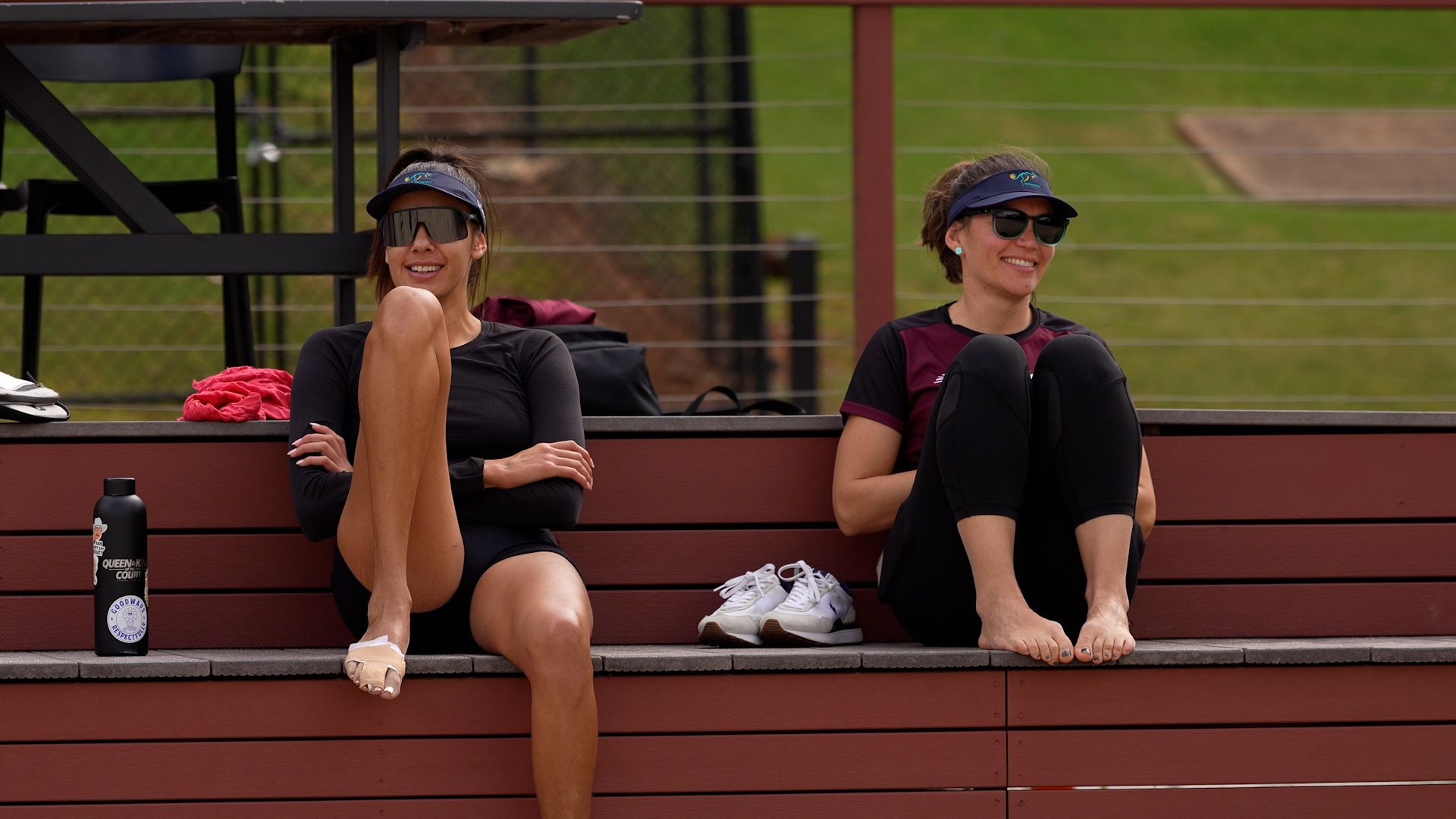
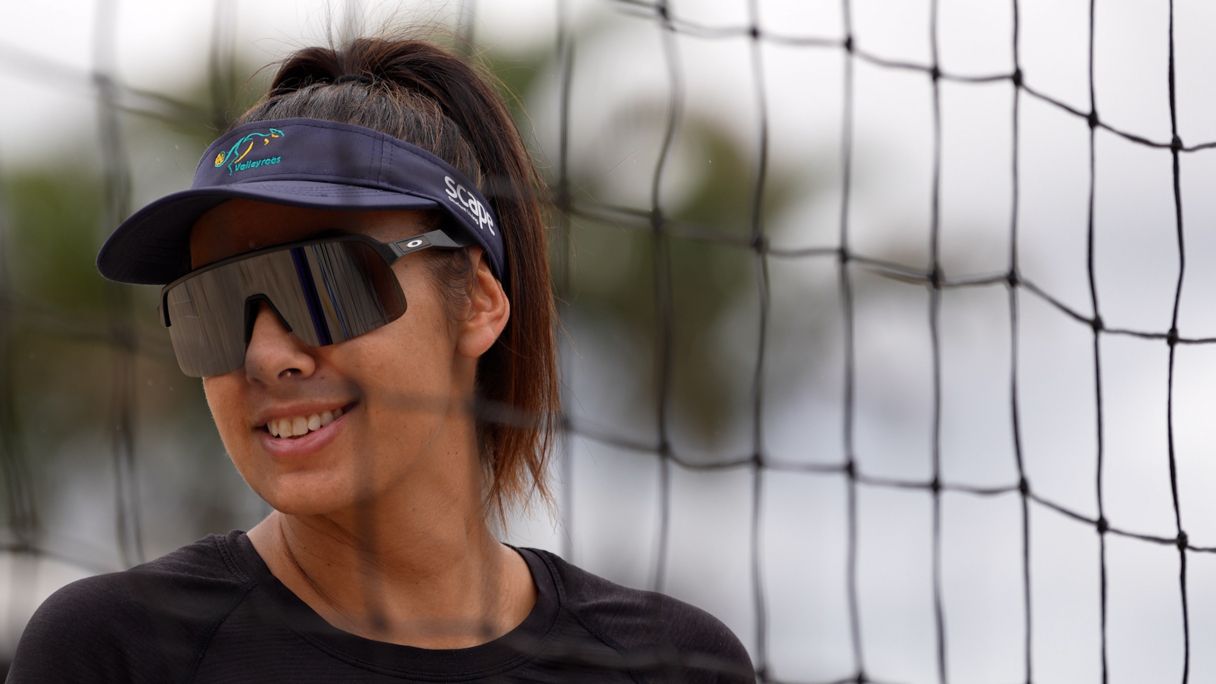
For QAS-supported beach volleyball athlete Taliqua Clancy, the road to LA 2028 hit an unexpected hurdle just three weeks out from an important Olympic qualification event in China.
The injury happened while Clancy and partner Stefie Fejes were competing at an Elite event in Hamburg. During a match, an awkward collision and movement in the sand left Clancy knowing something was not quite right
“I didn’t really feel it when it happened. I kept playing and I was like, ‘That’s not right’,” Clancy said.
After taking a time-out, the tournament doctor readjusted her toe and Clancy continued the match. But with pain and discomfort persisting, the bigger concern was what the injury could mean for the weeks ahead.
While spectators see athletes take to the court and the result that follows, moments like this highlight just how much work can happen behind the scenes to get an athlete there.
For Clancy, that work began almost immediately.
“I was so fortunate that we have an amazing support system around us,” she said.
“Straight away, the coaches, the physio, everyone was in the chat, unbeknown to me, behind the scenes just getting it all sorted, and Qscan was a part of that chat.”
Getting answers quickly
When Clancy arrived back in Australia, there was little time to waste. The priority was establishing exactly what the injury was and what she could safely do over the coming weeks.
The day after returning home, Clancy headed to Qscan for imaging.
“That really is where it starts, getting that scan,” she said.
“From that first step with Qscan, that really was able to build the plan that I needed.”
The QAS Chief Medical Officer Dr Neil Stevenson said the medical team followed its usual process for an acute injury, moving quickly from assessment to imaging so the team could understand the extent of the injury and determine the appropriate treatment.
“We were suspicious that there was a fracture in the toe, so we needed to confirm that on imaging, and whether Taliqua needed an operation to manage the injury,” Dr Stevenson said.
“We’re very confident in the reports that we get from Qscan and the quality of the reports from the radiologists. There’s a very direct line of communication there that gives us the answers that we need to move forward.”
With a clearer picture of the injury, the team could turn its attention to the next challenge: preparing Clancy for competition without compromising her recovery.
Adapting the plan
The timeline was tight. Just three weeks after the injury, Clancy and Fejes were due to compete in China at an event that formed part of Australia’s LA 2028 qualification campaign.
According to Dr Stevenson, the biggest uncertainty was how quickly Clancy would recover and how much training she could tolerate in the lead-up.
“The biggest challenge was making sure that she didn’t aggravate the injury in advance of the upcoming competition in Asia,” he said.
The first week required rest from her usual on-court workload. But rest did not mean preparation stopped.
Clancy and her support team adapted.
She returned to the sand wearing a protective boot to remain involved in training, while conditioning sessions on the bike in the heat chamber helped maintain other aspects of her preparation.
“All those little small moments, we adjusted and adapted,” Clancy said.
By a week out from travelling to China, she was back on the sand and nearing a full training load.
“There’s peace in having all that amazing support staff around me to create the plan,” Clancy said.
“It just makes my job really easy as an athlete. I can go out and just deliver the actions.”
The work behind the result
Clancy was ultimately able to return to competition alongside Fejes and secure the win in China.
For Dr Stevenson, it was an example of what can be achieved when medical expertise, coaches, physiotherapists, athletes and external partners can work together quickly.
“Thankfully, this was a good example of where we were able to turn around an injury quite quickly,” he said.
For Clancy, the experience has added another layer of confidence as the pair continue on the road to LA 2028.
“If we can achieve that already as a team, through that adversity as well, and the support team working that well and gelling, it just really builds a lot of confidence heading into LA.”
The result might be what appears on the scoreboard. Behind it can be weeks of rapid decisions, scans, rehabilitation, modified training and people working together to give an athlete the best opportunity to perform.
Sometimes, getting to the start line is a team performance in itself.

QAS Official Diagnostic and Performance Imaging Partner